Public Defense Education Empowers Youth Outside the Courthouse
In recent years, the debate surrounding policing and youth intervention strategies has gained significant traction, particularly in cities like Philadelphia. The prevailing law-and-order perspective, which emphasizes increased presence of law enforcement in neighborhoods as a means to ensure safety, has drawn criticism for its failure to address the root causes of social issues. This approach, intensified under the former Trump administration, has resulted in communities marked by high surveillance and rates of incarceration rather than growth and opportunity.
The Junior Defender Program, initiated by the Defender Association of Philadelphia in 2019, presents a different paradigm aimed at fostering resilience among the youth rather than criminalizing them. Instead of adopting a punitive stance, this program focuses on equipping students — ranging in age from 12 to 18 years — with the tools they need to navigate the justice system effectively, thus preventing future encounters with it.
Funded by a grant from the Office of Juvenile Justice and Delinquency Prevention, the Junior Defender Program has operated across seven Philadelphia schools, engaging 518 students to date. These institutions were strategically chosen based on increased gun violence in surrounding neighborhoods during the program’s launch period. Through interactive sessions that prioritize listening and collaboration, the program seeks to give young people a voice in shaping their environment and addressing the social issues affecting their lives.
Participants have developed initiatives aimed at supporting system-impacted youth, including educational materials like “A Kid’s Guide to Court Ordered Obligations” and social enterprises such as the Plead the Fit clothing brand, all of which challenge existing punitive systems.
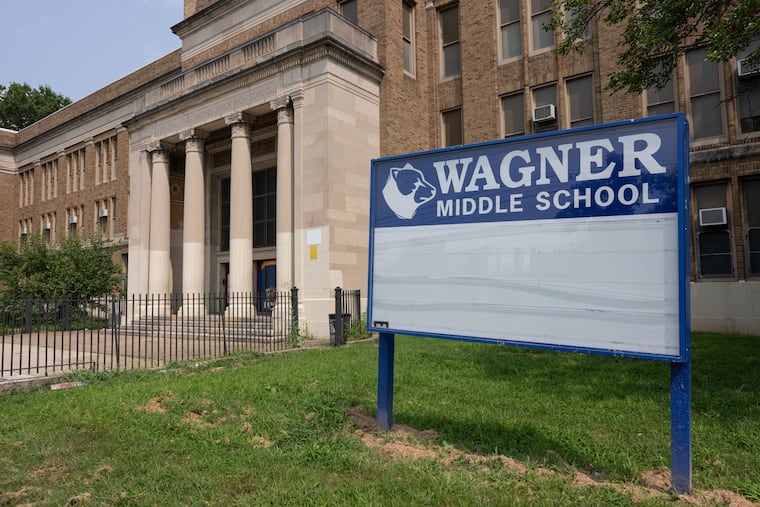
Feedback from school administrators, including the principal of Wagner Middle School, indicates a positive impact. The program has been instrumental in promoting critical thinking, advocacy skills, and civic engagement among students. As the principal noted, the collaboration has sparked important discussions, empowering youth to articulate their perspectives on school policies and social issues.
Looking ahead, the program is set to expand its reach to all public schools in Philadelphia through asynchronous learning opportunities beginning in spring 2026. Additionally, a specialized summer fellowship allowed 39 students over the age of 18 to gain hands-on experience within the legal framework, fostering an interest in law and public service.
Significant community partnerships have enhanced the program’s effectiveness, allowing for a broader impact on youth empowerment. However, to continue and expand these initiatives, substantial financial support is essential. The Defender Association is actively pursuing additional grants and seeking backing from the city to fortify this crucial work.
As Philadelphia contemplates its approach to youth justice, it faces a pivotal choice: continue investing in traditional law enforcement methods or embrace a framework that empowers young people in their pursuit of justice and community betterment. The success of the Junior Defender Program illustrates the potential for transformative change when youth are given agency and the opportunity to collaborate on solutions that affect their futures.
Media News Source