Real estate agent boosts asking prices, leading to increased sales of properties near Temple University.
In the vicinity of Temple University, landlords are confronting significant challenges as the local rental market undergoes a tumultuous phase. A stark example is the case of an eight-bedroom rowhouse on North Gratz Street, which has struggled to attract buyers since being listed for sale at 5,000 in April 2024—,000 less than what the owner originally paid two years earlier. The property remained unsold for an entire year, reflecting the broader decline in student enrollment that has adversely affected rental demand.
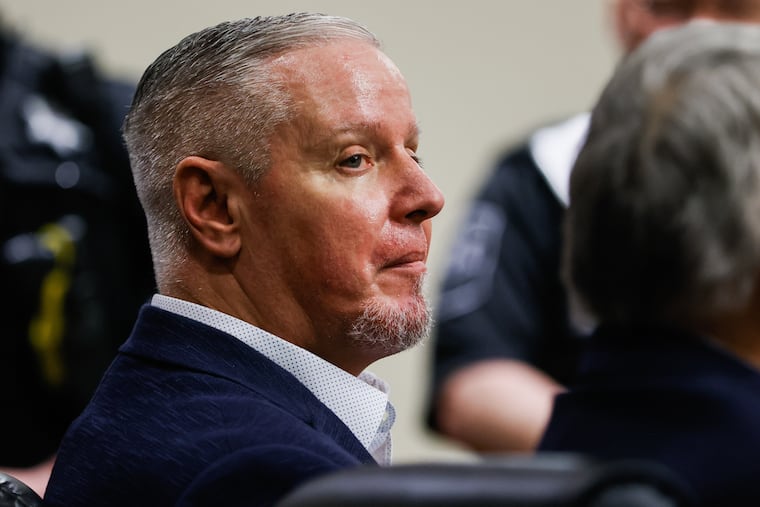
However, a twist occurred when real estate agent Patrick C. Fay intervened in April 2025. The previously listed Gratz Street rowhouse was reintroduced to the market at the significantly inflated price of 5,000. Remarkably, the property was marked as under contract on the same day. An analysis of Fay’s activities revealed a striking pattern: he has facilitated numerous sales in the area, often achieving sale prices far exceeding the original listings—sometimes by as much as 0,000.
Fay has represented buyers in more than million worth of real estate transactions within the Temple University neighborhood, garnering attention for the significant appreciation in sale prices. His clients have reportedly paid, on average, double the initial listing prices.
Despite the optimistic assertions of rebounding demand for student housing in the area, recent developments cast a shadow over this narrative. Temple University’s head of admissions resigned following a missed enrollment target, highlighting the university’s ongoing struggle to maintain its student population of under 30,000, a significant decline from its peak of over 40,000 eight years ago.
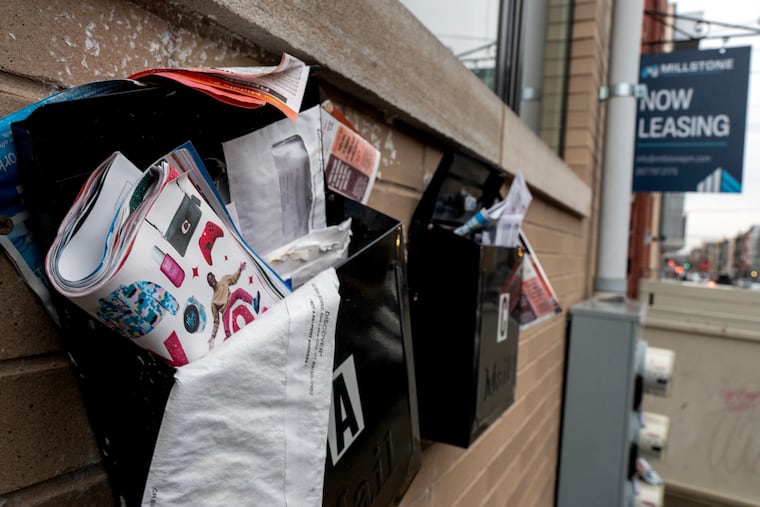
Industry insiders, including Nick Pizzola of the Temple Area Property Association, have voiced concerns about the current market climate, noting increased vacancies and declining rents. He describes it as a buyer’s market where many landlords are looking to divest amid rising financial burdens.
Fay’s sales are often financed through higher-risk private lenders, a trend that has emerged since traditional bank lending became more stringent after the 2008 financial crisis. This shift has raised eyebrows among stakeholders, including Jon Hornik, head of the National Private Lenders Association, who has flagged some of these transactions as suspicious due to the inflated sale prices and questionable buyer credibility.
As the market dynamics increasingly raise concerns about potential fraudulent practices—exemplified by repeat buyers linked to past misconduct—the future of property values in the Temple area hangs in the balance. With a mixture of rising interest rates and declining demand, the landscape appears precarious for landlords and developers alike.
Moreover, recent transactions are under scrutiny as they threaten to set inflated property assessments that could lead to higher taxes in the neighborhood, potentially paving the way for increased economic strain on existing property owners.
In light of the current volatility in the rental market surrounding Temple University, experts are closely monitoring these developments, emphasizing the need for vigilance and accountability in real estate transactions. The ramifications of these high-stakes sales could have lasting effects on the community as it navigates this tumultuous period in its real estate landscape.