Real estate agents from top brokerages involved in dubious property deals near Temple University.
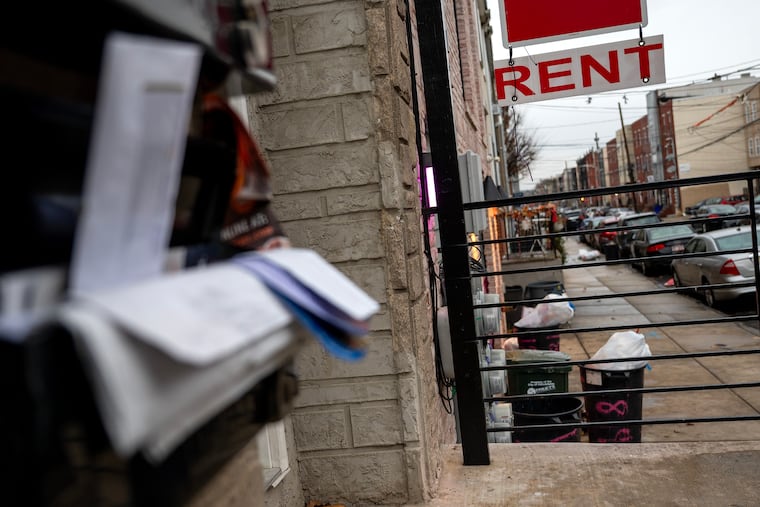
Recent investigations have revealed significant irregularities within the real estate market surrounding Temple University in Philadelphia. More than two dozen local real estate professionals have been implicated in orchestrating million in dubious transactions involving student rental properties. These real estate agents facilitated sales in which listings that had languished on the market for months suddenly sold for nearly double their original asking prices, raising red flags regarding potential mortgage fraud.
Over the past year, there have been 52 transactions—including both settled and pending sales—where apartment buildings were initially priced at an average of 0,000. Yet, these properties were re-listed at inflated prices soon after, yielding sales figures as high as 5,000. Documentation accompanying these sales indicates that buyers often secured mortgages significantly exceeding the initial listing prices, prompting concerns from market observers.
The nature of these transactions has alarmed industry experts and legal authorities alike. Multiple sellers or agents involved claim they were under the impression they would receive amounts closer to the properties’ original prices, rather than the inflated figures reflected in public records. Furthermore, real estate appraisers reportedly faced pressure from agents on both sides to artificially inflate property values.
These sales may lead to broader ramifications in the neighborhood surrounding Temple University, including a rise in foreclosures and altered property assessments, as well as increased tax implications. One property has already entered foreclosure due to non-payment of its mortgage, casting a shadow over the financial landscape for both landlords and tenant students.
The rapid escalation in property prices has been particularly troubling for several stakeholders, including Solomon Wisenberg, a former U.S. attorney who specialized in white-collar crime. He indicated that individuals involved in these dealings may be subject to scrutiny from federal investigators, highlighting the serious legal ramifications of misrepresenting financial information in real estate transactions.
Amidst these concerns, Patrick C. Fay, a prominent real estate agent involved in many of these transactions, has denied any wrongdoing. Fay, who previously was affiliated with Coldwell Banker, has seen the agency cut ties following media scrutiny of his dealings. Coldwell Banker’s national office is currently conducting an internal investigation into the matters at hand.
The sales trends involving Temple University properties present a cautionary tale of the potential fallout from unethical practices in real estate. The repercussions could affect not only the buyers but also the surrounding community and future rental markets, as scrutiny grows around the integrity of property transactions. Local officials, including representatives from the university, have expressed their commitment to investigating these troubling developments further and safeguarding the interests of students and residents alike.
As this situation evolves, it underscores the necessity for transparency and ethical standards in real estate practices, particularly in areas heavily populated by students and young professionals. With ongoing investigations and legal scrutiny, stakeholders in Philadelphia’s real estate market will be closely monitoring the implications of these events on the local housing landscape.