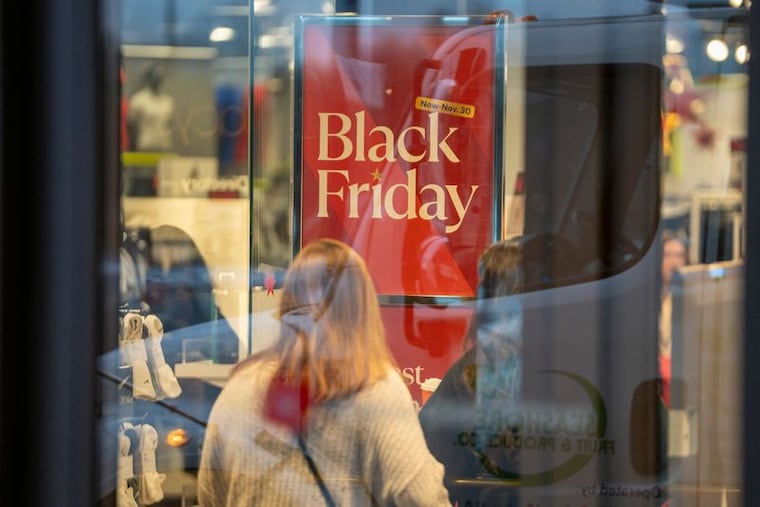
Record Black Friday crowds in the U.S. are expected to face fewer bargains due to elevated prices this year.
As Black Friday approaches, record numbers of Americans are expected to flock to retail stores, although anticipated spending is likely to be tempered by rising prices and fewer available discounts. The National Retail Federation estimates that approximately 186.9 million people will participate in shopping activities from Thanksgiving through Cyber Monday, a modest increase from the 183.4 million shoppers recorded in 2022. This five-day shopping spree is critical for retailers, accounting for a significant portion of annual sales; however, overall sales growth during the crucial months of November and December is projected to slow.
This year, Thanksgiving falls on November 27, providing an extended holiday shopping window. Retailers have responded with early promotions to attract consumers. Walmart initiated its holiday sales on November 14, spanning several phases until December 1, while Amazon launched its Black Friday deals ahead of schedule. Macy’s has also established a dedicated Black Friday portal to capitalize on the increased consumer attention.
Comprehensive forecasts predict that holiday sales, encompassing both physical and online shopping, will transcend trillion for the first time, with projected increases ranging between 3.7% to 4.2%. This growth rate, however, trails behind the 4.8% gain achieved in the previous year, indicating a cautious consumer climate.
With consumers feeling the squeeze from rising costs, many shoppers are adjusting their spending strategies. Individuals like Kate Sanner, who typically spend around 0 on gifts, have announced reduced budgets for the holiday season—0 in her case—opting for targeted purchases rather than broad spending sprees. Financial concerns extend beyond mere gift-giving, as individuals prepare for higher expenses in other areas, leading to a reassessment of discretionary spending.
Despite concerns about inflation and rising living costs, data from Bank of America indicates that households across various income levels hold more cash reserves than they did prior to the pandemic in 2019. This suggests that while consumers are cautious, many retain the ability to make significant purchases.
As average spending per person on gifts and seasonal items is expected to hover around 0—down from last year’s 2—more consumers are emphasizing value, opting to wait for Thanksgiving weekend deals rather than committing to early purchases. Almost 65% of those surveyed expressed plans to hold out for Black Friday bargains, reflecting a shift in shopping behavior.
In light of these trends, retailers are adapting their strategies. While some chains seem to be scaling back on promotional offers, Walmart continues to promote aggressive price cuts on select items. Notably, the retailer is advertising significant discounts on popular electronics for Black Friday, including a reduction on an 85-inch TCL Roku TV and other sought-after holiday gifts.
As the holiday shopping season unfolds, both retailers and consumers are navigating a landscape shaped by financial caution, shifting consumer behavior, and evolving promotional strategies. The outcome of this season remains to be seen, as shifting economic factors continue to influence purchasing decisions.