Record job losses among Black women attributed to Trump’s policies and decisions.
As the political climate continues to evolve in the United States, the ramifications of recent policies and leadership decisions are becoming increasingly pronounced, particularly for marginalized communities. A significant concern has arisen regarding the employment impact of federal workforce reductions under former President Donald Trump’s administration. By the end of the current year, it is projected that approximately 300,000 federal employees will have been laid off, an initiative driven by cost-cutting measures and an emphasis on reducing diversity, equity, and inclusion efforts.
African American workers, notably Black women, are disproportionately affected by these job losses. Current analyses indicate that Black women have experienced dramatic employment declines, with about 319,000 exiting both public and private sectors. This staggering figure is roughly equivalent to the population of Pittsburgh, highlighting the broader economic implications of this workforce reduction. The national unemployment rate for Black women stands at 6.7%, significantly higher than the overall national average of 4.3%, evoking concerns about economic equality and stability.
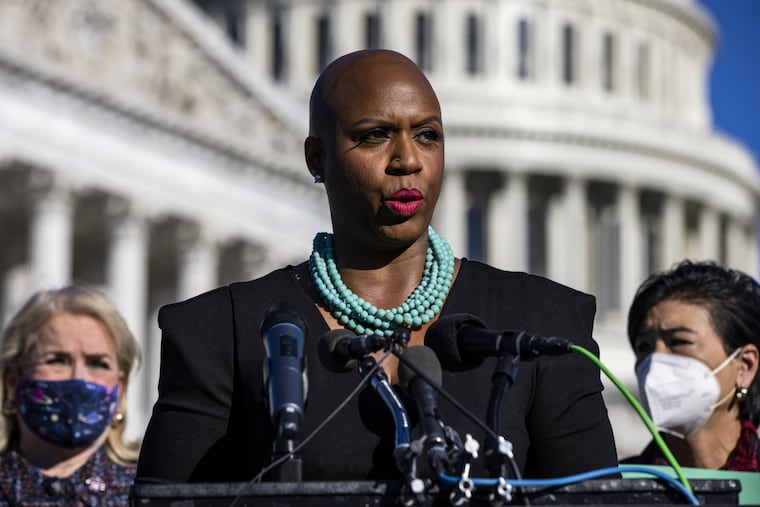
In response to these troubling trends, Representative Ayanna Pressley has taken action by addressing Federal Reserve Chair Jerome Powell, calling for accountability regarding the climbing unemployment rates among Black women. She has emphasized that the Federal Reserve has an obligation to promote maximum employment for all demographics, urging a detailed analysis and response to the economic impact of these job losses.
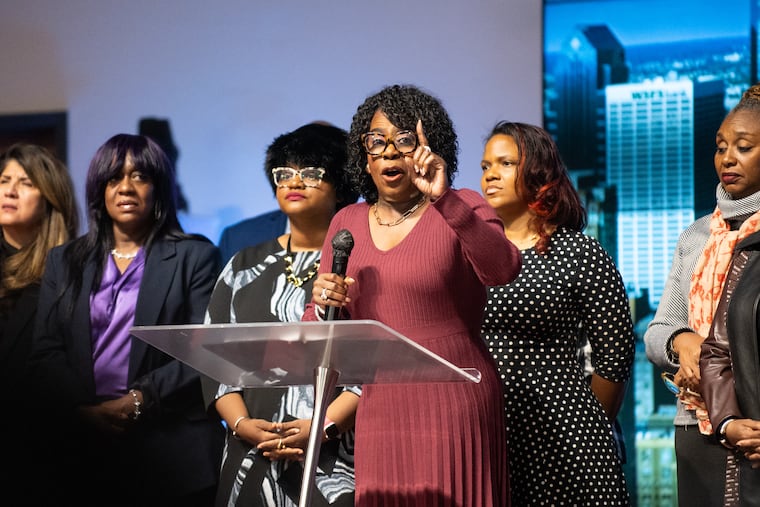
One personal account exemplifies the broader narrative of dislocation among African American women in the workforce. Annita Bonner, who earned a master’s degree in public administration, secured a role with the Small Business Administration, believing she had achieved economic stability. After her position was eliminated in April, she found herself struggling to maintain her previous standard of living, illustrating the precariousness faced by so many in similar situations. Bonner’s challenges reflect the adage that Black individuals often face employment instability, being “the last hired and the first fired.”
As the federal workforce increasingly reflects ongoing socioeconomic disparities, the landscape underscores the critical need for policies that address systemic inequities, particularly for marginalized groups. The fallout from these job losses presents not only personal hardships for those affected but also raises significant concerns about the long-term implications for the broader economy. The combination of Trump’s decisions and the resulting unemployment rates thus highlight the necessity for thoughtful economic policies that ensure equitable opportunities for all rather than benefiting a select demographic.
The plight of Black women in the labor market offers vital insights into the broader implications of federal employment strategies and underscores the urgency for comprehensive reforms aimed at fostering an inclusive workforce. As communities grapple with these challenges, it is essential for policymakers to prioritize equitable employment opportunities that support all citizens, thereby ensuring a more resilient economic future.
In conclusion, the dynamics surrounding federal workforce reductions under Trump’s governance have disproportionately affected Black women, raising profound questions about economic equity and the long-term health of the U.S. economy, necessitating immediate attention and action from policymakers.
(Media News Source)