
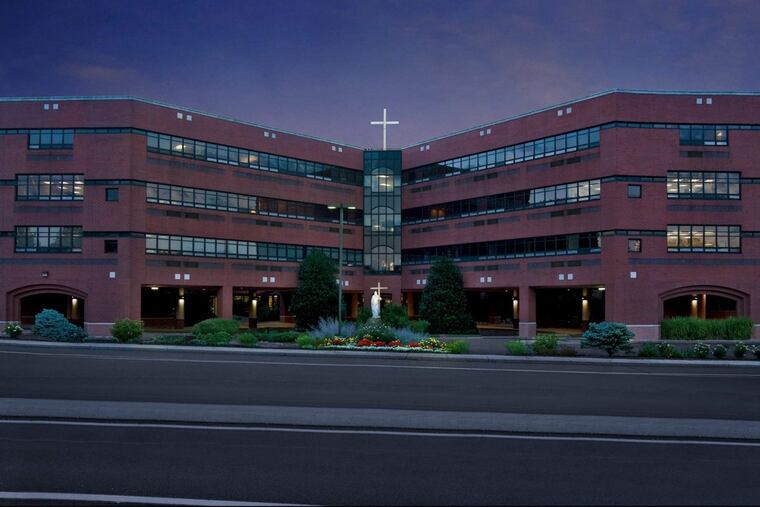
Redeemer Health experiences .7 million loss in fiscal 2025, marking its ninth consecutive year of financial decline.
Redeemer Health, located in the Philadelphia region, has reported a significant operating loss of .7 million for fiscal year 2025, marking the ninth consecutive year of financial deficits for the organization. This fiscal deficit, while troubling, represents an improvement over the previous year’s loss of .2 million. The fiscal year concluded on June 30, and the modest recovery is attributed, in part, to the successful sale of two home care businesses in New Jersey for million, as well as the disposal of three office buildings amounting to .55 million. These transactions provided essential liquidity that was reflected in Redeemer’s recent audited financial report.
In a strategic move following the closure of the fiscal year, Redeemer Health sold its 20% equity stake in Chestnut Hill Hospital to the Temple University Health System, the facility’s majority owner. Privately disclosed financial statements indicate that this transaction was valued at .21 million, repayable via a note due on September 1, 2027. In addition, this deal includes an annual interest payment of 5%.
Financial metrics from Redeemer’s fiscal operations reveal an overall revenue figure of 9.9 million, a notable increase of 8.5% compared to 2.5 million in the previous year. This uptick was primarily driven by other operating revenues, which included earnings from the aforementioned business and asset sales. However, it should be noted that Redeemer did not provide further details regarding the composition of this revenue category.
Patient revenue saw a robust increase of 22.5% in the organization’s nursing home and assisted living units, alongside a 4.5% rise at its flagship hospital in Abington Township. Nonetheless, revenue from outpatient surgery and independent living services experienced a decrease, largely reflective of the business impacts resulting from the sale of its home care and hospice services in New Jersey.
Critically, Redeemer’s cash reserves, which serve as a vital financial metric, have declined to an equivalent of just 52 days at the end of June. To put this in perspective, the health system had maintained 157 days of cash reserves at the end of fiscal 2019, prior to the financial upheaval precipitated by the COVID-19 pandemic.
Despite these challenges, the broader Philadelphia healthcare landscape has seen an increase in patient engagement, a trend that Redeemer did not follow. The organization reported notable declines in several key patient metrics, including hospital discharges, deliveries, surgeries at both the hospital and ambulatory surgery center, and diagnostic and rehabilitative services. Interestingly, emergency department visits did witness a slight uptick, increasing by 1.2%, allowing the total emergency visits to rise to 35,794.
These developments place Redeemer Health in a critical position as it navigates a challenging financial landscape, prompting crucial discussions regarding the sustainability and strategic direction of healthcare services in the region.
Media News Source


