Remote work is declining in 2025, but some business leaders in Philadelphia continue to embrace it.
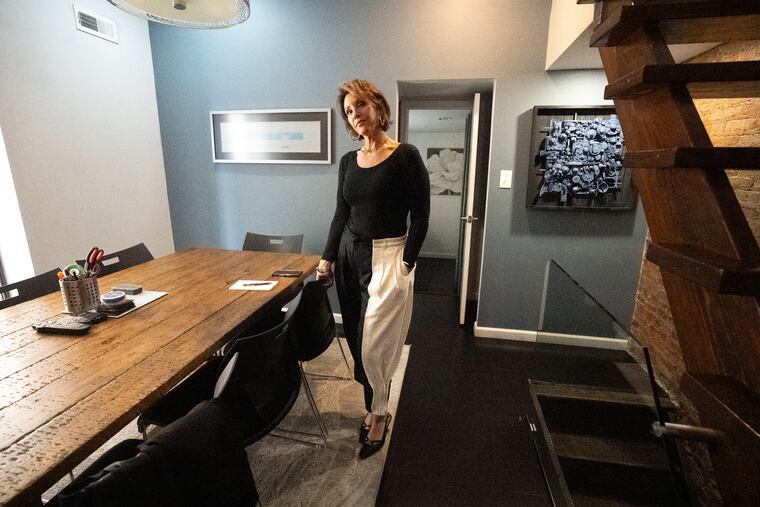
In the evolving landscape of the workforce, the shift towards remote employment has prompted both advantages and challenges for businesses, particularly in urban areas like Philadelphia. Debra Andrews, the founder of Marketri, a marketing firm that started in 2004, exemplifies this transformation. Operating from a Market Street address in Center City, Andrews has embraced remote work, managing a team of 15 professionals dispersed across 11 states. This operational model arose when she relinquished her Doylestown office in 2008, opting for a remote structure to maintain productivity and staff morale.
Recent data from the U.S. Census highlights a decline in remote work participation within Philadelphia, with various large employers advocating for increased in-office time. However, Andrews contends that her remote approach has enabled her to attract top talent unrestricted by geographical limitations. Although her employees maintain regular hours aligned with their respective time zones, Andrews emphasizes a commitment to professionalism and productivity within a remote framework.
The aftereffects of the pandemic have resulted in notable adjustments within the office rental market, with many businesses downsizing their physical space due to elevated vacancy rates in both Philadelphia and its suburbs. The National Board of Medical Examiners (NBME), a longstanding institution in the city, has adopted new strategies to enhance collaboration in its office environment while expanding flexible work options for its 575 employees. By fostering a “remote-first” model slated for implementation in 2024, NBME aims to retain employee satisfaction while embracing the advantages of a flexible work culture.
Case studies of other organizations also suggest significant benefits of remote work. Organizations like Maverick Mindshare, led by CEO Casey Benedict, have implemented remote structures since inception. This model supports employee autonomy, allowing staff to balance personal obligations with work commitments. Benedict notes that empowering employees fosters a stronger sense of ownership and commitment to their tasks, ultimately benefiting the organization.
Conversely, some leaders voice concerns about the possible drawbacks of remote work. Wendy Verna of Octo Design Group initially viewed remote flexibility with skepticism; however, she ultimately recognized its benefits when her employees thrived within this framework. Verna grappled with the implications of virtual interactions on mentorship and network development, emphasizing that younger professionals may miss valuable opportunities for relationship building in a remote-only environment.
As businesses navigate the complexities of hybrid and remote work models, the balance between flexibility and accountability remains crucial. Employers are finding that effective management strategies, coupled with strategic communication, can mitigate challenges arising from the remote work paradigm. The future of work in Philadelphia, and beyond, will likely hinge on how organizations respond to these evolving dynamics while embracing the benefits and addressing the challenges associated with a dispersed workforce.
Media News Source.