Residents receive bottled water due to gasoline leak at Delco tank farm.
In a concerning environmental incident, Monroe Energy is facing scrutiny following the discovery of a significant gasoline leak at its tank farm in Aston, Delaware County. Reports indicate that approximately 378,000 gallons of gasoline leaked over several months, with the leak first identified in August 2023 and traced to a quarter-inch hole in a tank by December.
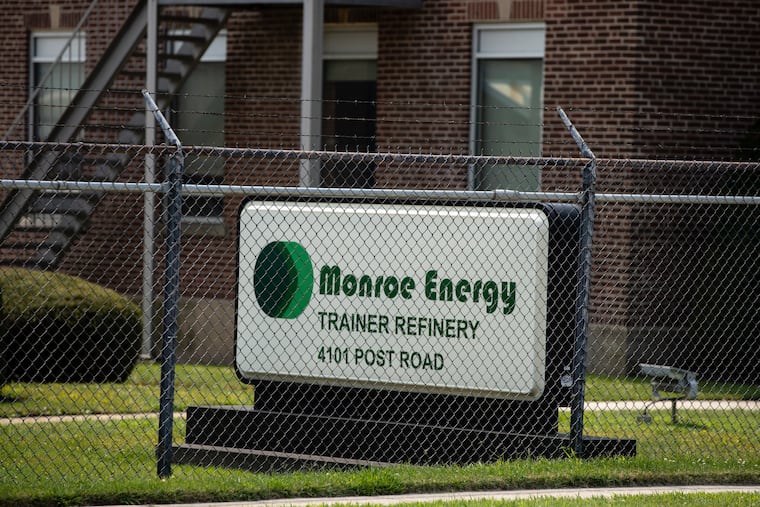
The facility, operated by MIPC LLC, a subsidiary of Monroe Energy, includes 12 above-ground tanks and is located about five miles from the company’s Delaware River refinery in Trainer. The Pennsylvania Department of Environmental Protection (DEP) announced on Tuesday that it has mandated that local residents within 1,000 feet of the facility’s western border can request bottled water, aiming to mitigate any potential health risks.
MIPC acknowledged the leak, revealing that on December 13, crews pinpointed the source within one of the tanks. The company communicated that it had alerted local, state, and federal officials about the incident and contracted an EPA-approved laboratory for testing. Notably, MIPC stated that sample analyses of residential wells revealed no presence of petroleum-related compounds. Despite these findings, the DEP insisted that comprehensive cleanup efforts and further investigation be initiated promptly.
MIPC emphasized its commitment to safety and environmental stewardship, stating that regular inspections and monitoring are conducted on the tanks. The company is actively engaging in daily testing of nearby monitoring wells and scrutinizing local waterways to ensure that no further contamination occurs. They also expressed regret for the anxiety this leak may have caused among local residents, promising to expedite remediation efforts.
The DEP’s involvement escalated after the initial reports in August indicated hydrocarbons found in a storm sewer during routine facility checks. The agency later mandated that MIPC treat and discharge contaminated water discovered in the days following the initial reports. Although earlier investigations from September to November did not indicate significant leakage, the situation changed when MIPC reported to the EPA on December 5 that the gasoline release was substantial enough to impact both soil and groundwater.
As part of the DEP’s ongoing oversight, MIPC is required to gather information about residents with private wells in proximity to the facility, sample these wells for potential contamination, and develop a detailed remediation plan. They are also tasked with ensuring transparent communication with the public regarding the status of their investigations and remediation activities.
As the situation develops, the DEP has yet to impose any fines or cite violations against MIPC, but continued scrutiny and collaboration among the agency, the company, and affected residents seem imperative to rectify the environmental impact of this incident.
This incident raises broader concerns regarding infrastructure oversight and environmental safety protocols in industrial operations, highlighting the need for rigorous monitoring to protect affected communities.