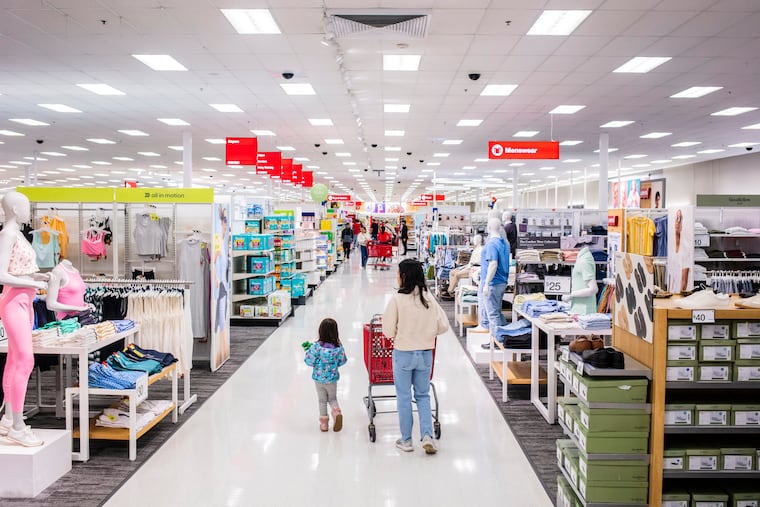
Retailers invest heavily in physical stores, betting that consumers still prefer in-person shopping experiences.
In Paramus, New Jersey, a Target store located with other retail establishments and eateries has undergone significant renovations, positioning it as one of the cleanest and most modern stores in the retail chain. This transformation reflects a broader trend as major retailers across the United States invest heavily in upgrading their brick-and-mortar locations, despite a continuing shift of sales to online platforms.
The remodeling efforts at Target have included the installation of contemporary track lighting and the construction of streamlined displays for baby products and apparel. Additionally, the grocery section has been redesigned to create a more expansive shopping environment, and beauty aisles have been altered to enhance customer engagement. Improvements have even reached the backroom areas, facilitating easier access for employees tasked with restocking shelves and assisting with customer pickup orders. These changes are part of a billion capital investment initiative aimed at enhancing the overall shopping experience.
This investment strategy is not unique to Target. Competitors like Walmart and Dollar General have also embarked on extensive remodeling projects to augment customer experience and operational efficiency. Walmart has committed to remodeling several stores across New Jersey in an effort to refresh their layout and enhance services, while Dollar General plans to renovate select locations in the Northeast to feature open formats with greater offerings of fresh food. Collectively, the largest retailers in the United States are expected to allocate nearly billion toward the modernization of over 12,000 stores within the next decade.
Industry experts outline that consumers increasingly expect organized and visually appealing stores akin to upscale boutiques, even in locations that offer everyday items. As e-commerce sales steady at approximately 18% of total retail sales, physical stores remain vital in shaping a brand’s identity. An attractive in-store environment can serve as an effective marketing tool, propelling online sales to greater heights.
Amid these remodeling initiatives, legislation such as the One Big Beautiful Bill Act, which offers tax incentives for capital improvements, has further motivated retail businesses to invest in enhancing store facilities. Improved layouts cater to changing consumer behaviors, particularly in the wake of increased demand for online order pickup services during the pandemic. These changes often include specialized zones for order fulfillment and dedicated parking for customers, streamlining the shopping experience.
In addition to the changes at larger retailers, smaller stores are also seeing significant upgrades as they adapt to evolving consumer preferences. Dollar General, for instance, plans to refresh up to 4,000 of its existing stores with layouts designed to promote exploration and increase sales.
As the retail landscape continues to evolve, companies like 7-Eleven are also taking steps to modernize, with plans to remodel a significant number of locations over the next few years. The adjustments reflect a concerted effort to create inviting, clean, and customer-friendly environments capable of competing in an increasingly digital marketplace. The strategic focus on in-person shopping experiences is likely to play a critical role in the broader narrative of retail recovery and growth in the coming years, underscoring the importance of physical retail spaces in an age of digital transformation.
This comprehensive investment in renovations across the retail sector signals a robust commitment to not just survive but thrive amidst contemporary challenges. Industry observers will be keeping a close watch on how these initiatives impact customer satisfaction and sales performance in the near future.