RFK Jr. Defends Reductions in mRNA Vaccine Funding by Spreading Misleading Information
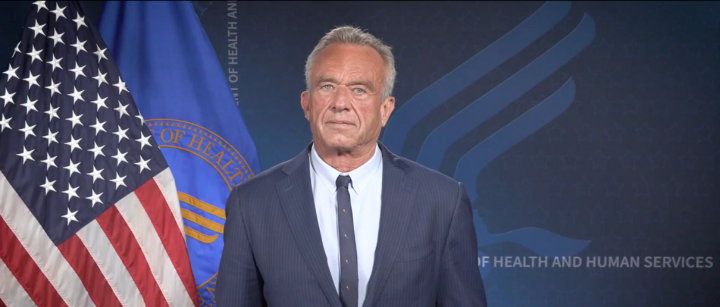
Health and Human Services Secretary Robert F. Kennedy Jr. announced a significant shift in federal strategy regarding mRNA vaccine funding, a move that has garnered considerable attention due to its implications for public health. The Department of Health and Human Services (HHS) has decided to terminate 0 million in funding for mRNA vaccine projects, citing claims that mRNA vaccines fail to provide effective protection against illnesses such as COVID-19 and influenza. These claims raise eyebrows, especially given the substantial body of evidence supporting the efficacy and safety of mRNA vaccinations in saving lives during the pandemic.
Kennedy, during an August 5 press release, articulated that the Biomedical Advanced Research and Development Authority (BARDA), responsible for managing public health emergencies, will cease funding for new mRNA vaccine developments. He asserted that the termination was based on scientific review and expert opinions, purportedly indicating that mRNA vaccines are ineffective. However, these assertions are contradicted by extensive peer-reviewed research, which consistently demonstrates that mRNA vaccines have been instrumental in reducing severe outcomes during the pandemic, including hospitalizations and deaths.
Experts in infectious diseases are voicing concern over Kennedy’s decision. Michael Osterholm, director of the Center for Infectious Disease Research and Policy at the University of Minnesota, described the choice as “misguided and even dangerous,” reflecting the consensus among many public health professionals that mRNA technology has unique advantages, particularly in its ability to adapt rapidly to emerging virus variants.
Furthermore, advancements in mRNA technology have shown promise beyond COVID-19, including potential applications in influenza vaccines. Pfizer, BioNTech, and Moderna’s research indicates that mRNA-based vaccines can be swiftly modified to meet the challenges posed by mutating viruses, making them a vital resource in future pandemic preparedness.
Critics of the HHS decision contend that shifting funding away from mRNA technology to other vaccine platforms may hinder the rapid production of vaccines, a crucial factor during health crises. Vaccinations not only protect individual health but also enhance community immunity, demonstrating the importance of continued investment in scientifically validated technologies.
Despite Kennedy’s claims regarding mRNA’s safety, extensive research indicates that serious side effects from these vaccines are rare, emphasizing the favorable balance of benefits over risks. Experts assert that these vaccines represent a significant advancement in public health technology and are crucial to effectively combating infectious diseases as they evolve.
The transition towards alternative vaccine technologies, as suggested by HHS, raises further questions among experts about the efficacy and safety of such platforms. Some scientists worry that reverting to older methods may not deliver the same level of protection, potentially compromising public health initiatives.
In summary, the recent announcement by the HHS may signal a substantial departure from successful vaccine strategies that have played a crucial role in safeguarding public health, particularly in the context of recent global pandemic challenges. As the world continues to confront new health threats, the importance of evidence-based decisions in health policy remains paramount.
#PoliticsNews #HealthNews