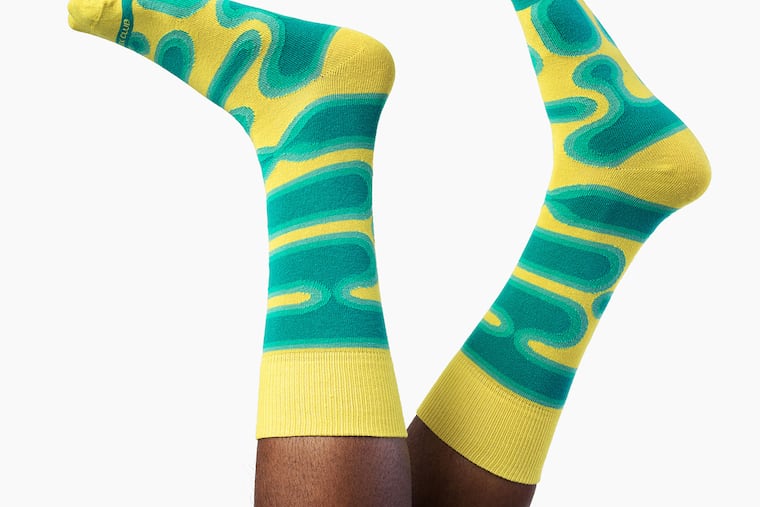
Rising costs lead holiday shoppers to prioritize socks, coffee, and diapers over other gifts.
As the holiday season approaches, many Americans are rethinking their shopping habits amid rising prices, increased living costs, and economic uncertainty. For Shirley Spillane, a school counselor in Los Angeles, this year’s holiday shopping list reflects a pragmatic mindset, focusing on essentials rather than extravagance. Spillane, who is also navigating the challenges of parenthood with a six-month-old baby, has set a modest 0 budget. Her purchases include utilitarian gifts such as car dusters and jam—items easily found at local grocery retailers.
Data indicates a nationwide trend towards practicality in holiday spending. The ongoing effects of inflation, combined with new tariffs impacting the costs of various goods, have prompted families to reconsider their buying decisions. Consumer behavior reflects this shift, with early holiday spending suggesting an inclination towards necessities like clothing, appliances, and furniture instead of traditional luxury items.
Remarkably, data from Adobe Analytics reveals that on Cyber Monday alone, online sales of key household items surged significantly compared to average levels earlier in the year: refrigerators and freezers saw a whopping 1,700% increase, while sales for other essential products, such as vacuum cleaners and small kitchen appliances, also rose substantially—by 1,300% and 1,250%, respectively.
This fiscal conservativism has been echoed in the broader economic landscape, where inflation—despite some stabilization—continues to strain consumers. The impact of price increases is palpable, with many individuals expressing a heightened awareness of their spending. Interviews conducted with shoppers across the country reveal a common theme: a strategic and cautious approach to holiday giving, with an emphasis on discounted items and smaller budgets.
This year, some families are resorting to whimsical solutions to maintain a festive atmosphere amidst financial constraints. For instance, Meghan Orr from Austin has creatively wrapped household items like diapers as gifts to bring joy to the holiday experience. Meanwhile, Alecia Bencze, a well-off law school career services director in Akron, reports significantly reducing her holiday expenditure while still opting for practical gifts.
As spending patterns evolve, lower and middle-income households appear to be cutting back, while wealthier consumers are also gravitating towards more affordable retailers. Sales data from Consumer Edge indicates a noticeable decline in high-end department store transactions during the crucial shopping events of Black Friday and Cyber Monday, a trend that showcases a collective lean towards budget-consciousness among consumers of all income levels.
According to Mary Brett Whitfield, a senior vice president at the analytics firm Kantar, consumers are increasingly flocking to discount retailers like TJ Maxx and warehouse clubs such as Costco for basic necessities. Despite an uptick in overall spending compared to last year, the trend hints at a preference for fewer items, reflecting a practical mindset born from the existing economic climate.
Overall, estimates from the National Retail Federation project a holiday sales growth rate of about 4% this year, signifying a deceleration from the remarkable 13% growth observed in 2021. This year’s adjustments to holiday shopping habits illustrate the shifting priorities of consumers as they navigate a landscape marked by inflation and economic challenges.
With many opting for function over luxury, the core spirit of the holiday season is being redefined. Families like JoEllen Barnes’s in Charlotte are making austere choices while hoping for sensible gifts that address their everyday needs. The presence of challenges is reshaping traditional holiday expectations, emphasizing the essence of practicality during this festive season.
While the dynamics of gift-giving remain in flux, one thing is clear: the importance of practicality in consumer behavior is now more pronounced than ever. Media News Source reports that these changes may shape how Americans approach holiday celebrations in the years to come.