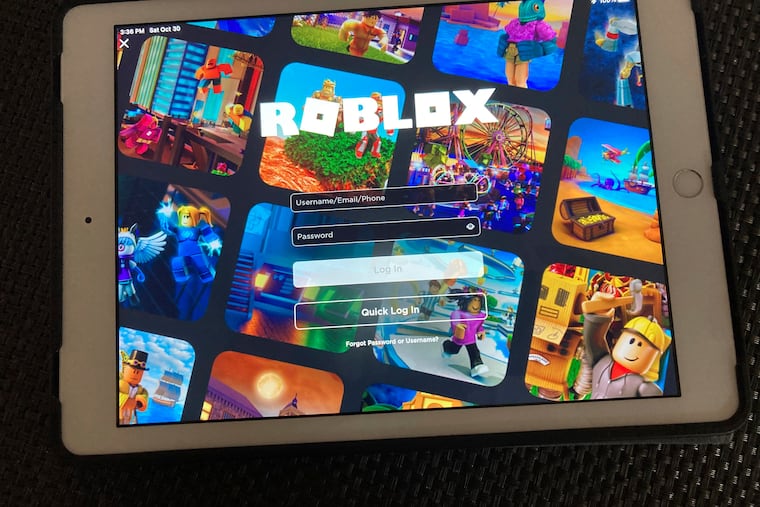
Roblox implements age verification and organizes younger users into age-specific chat groups.
Roblox, the widely popular gaming platform, is enhancing its age-verification procedures to ensure a safer online environment for its users, particularly those wishing to engage in chat functions. This initiative aligns with ongoing concerns regarding child safety in digital spaces, as the platform grapples with increasing scrutiny and legal challenges.
The new measures will introduce age-based chat functionality, allowing children, teenagers, and adults to communicate solely with peers within their respective age groups. This shift comes as various states and countries bolster their age-verification regulations to better protect minors online. Roblox has been proactive in addressing these concerns, having previously announced an age-estimation tool in July, developed in collaboration with Persona. This tool employs video selfies from users to assess age, with assurances that such videos will be deleted immediately after processing. Notably, users can access the platform without submitting a face scan, which is only required for those wishing to engage in chat features.
Roblox has established guidelines that prevent users under the age of 13 from participating in direct chats without explicit parental approval. Distinct from many other platforms, Roblox does not encrypt private chat conversations, which allows for direct moderation and oversight.
While the efficacy of facial age-estimation technologies has been debated among experts, Roblox’s Chief Safety Officer, Matt Kaufman, asserts that the system can accurately determine a user’s age within a one to two-year margin for individuals aged between approximately five and twenty-five years. In instances of discrepancies, users have the option to provide identification or parental consent to amend their age classification.
Once the verification process is complete, users will be categorized into various age groups: under 9, 9 to 12, 13 to 15, 16 to 17, 18 to 20, and over 21. This categorization will dictate with whom they can communicate online, reinforcing safe and age-appropriate interactions.
Starting the first week of December, Roblox plans to enforce these new age-verification measures in Australia, New Zealand, and the Netherlands, with a broader rollout anticipated in early January. This initiative reflects a growing trend among technology companies developing verification systems to comply with regulatory standards and enhance child safety. Notably, Google and Instagram have also begun testing similar age-verification systems on their platforms.
Advocacy groups have welcomed these developments but remain cautious. Experts like Shelby Knox, director of online safety campaigns at ParentsTogether, stress the importance of continued vigilance and effectiveness in these measures, particularly given Roblox’s historical challenges regarding online safety for its younger audience. The long-term impact of these regulations remains to be observed as the company faces the challenge of maintaining its commitment amidst evolving scrutiny.
As digital platforms strive to foster safer environments, the adoption of age-verification technologies represents a significant step in addressing the complexities of online interactions in today’s digital landscape.
Media News Source