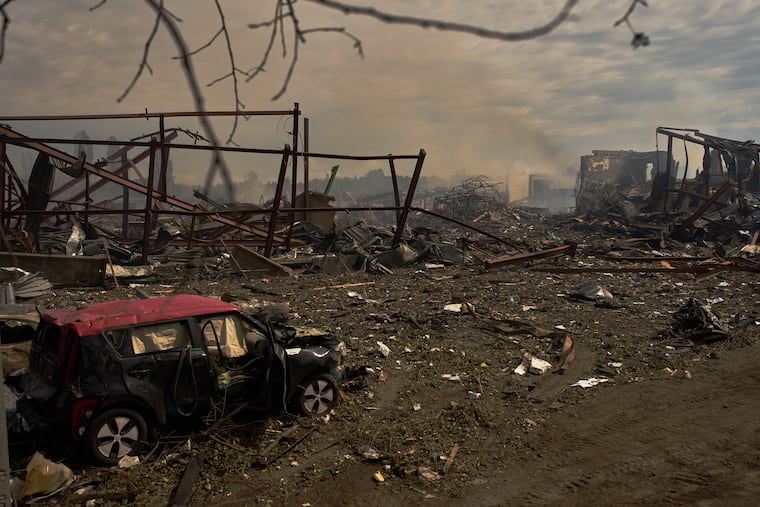
Russian airstrikes on food warehouses in Ukraine raise concerns over potential food shortages.
Russian airstrikes targeting civilian infrastructure in Ukraine have intensified recently, causing significant damage to shopping centers and food distribution warehouses. This escalation threatens to exacerbate food shortages and trigger price increases as supermarkets in key cities such as Kyiv grapple with diminishing supplies.
In a notable shift of strategy, Moscow appears to have redirected its offensive towards civilian assets after Ukrainian drones targeted major e-commerce warehouses within Russia. This tactical change has included airstrikes on vital logistics centers, including those operated by Silpo, one of Ukraine’s leading supermarket chains, and a central distribution facility for Novus, another major grocery retailer. The damages have raised alarm over the sustainability of food supplies in urban centers.
Reports indicate that supermarket shelves are facing acute shortages of fresh produce and dairy items, igniting concerns about food availability amid the ongoing military conflict. A series of concentrated attacks in the Kyiv region and beyond has compounded these worries, leading to further damage to retail warehouses and logistics operations vital for keeping retail stores stocked.
In light of these disruptions, some retailers have attempted to adapt by introducing substitute products, such as kombucha, to mitigate consumer anxiety. Despite these efforts, stores have issued warnings about potential delays in product deliveries. Government officials have also been quick to address public concerns, asserting that while the damage to food logistics has been extensive, complete food scarcity is not imminent.
Ukraine’s Agriculture Minister, Taras Vysotskyi, noted that although around 90% of the food logistics operated by retail chains have been impacted, the government does not anticipate a famine or severe food deficit. Many residents are reportedly coping with the scarcity pragmatically, finding alternative sources at local farmers’ markets and adjusting their shopping habits to different stores.
Recent developments have also seen tragic occurrences, such as a drone strike on an ammunition depot in Myla, which resulted in multiple casualties and extensive property damage. This incident has reignited discussions regarding the placement of military infrastructure near populated areas and has drawn calls for accountability from President Volodymyr Zelensky.
As the conflict continues to unfold, the frequency and intensity of Russian airstrikes on civilian targets raise pressing questions about the stability of the supply chain for everyday necessities. With recent attacks on multiple retail centers across Ukraine, including significant strikes in the Zaporizhzhia and Kryvyi Rih regions, it appears that the Kremlin’s tactics aim not only to disrupt logistical operations but also to instill fear among the civilian populace.
The humanitarian implications of this intensified conflict are increasingly concerning, and the ongoing assessments of ammunition and weapons storage facilities by Ukraine’s Defense Ministry aim to address immediate safety issues while emphasizing that the primary responsibility lies with Russian aggressions. The situation will remain fluid as these developments unfold, impacting both local and regional stability in the weeks and months ahead.