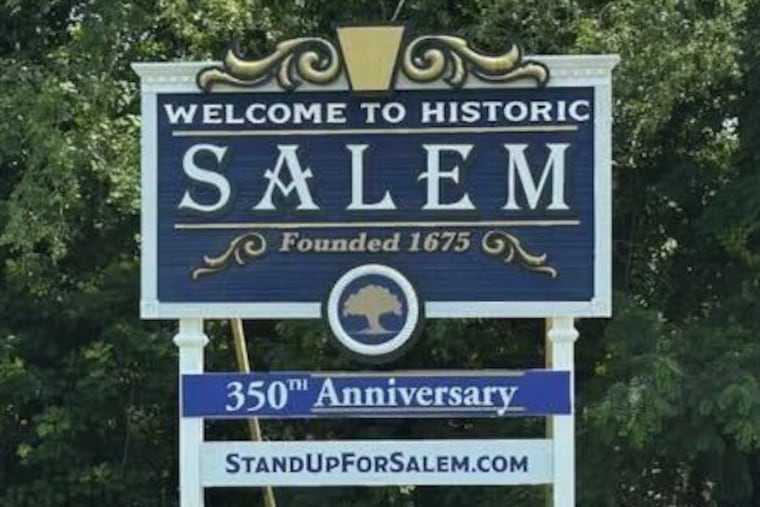
Salem nonprofit dismisses executive director over request for Black students to portray enslaved individuals.
In a significant development, the nonprofit organization Stand Up for Salem has terminated its executive director, Betsy McBride, following a deeply controversial request for Black students to portray slaves in a reenactment event commemorating the city’s 350th anniversary. The decision, made by the organization’s 14-member board on Saturday after an internal investigation, highlights ongoing discussions about race and representation within community events.
Tom Smith, the board president, indicated that the decision was reached after collecting sufficient information during the fact-finding process. He stressed that the board deemed the request inappropriate, underscoring a growing intolerance towards acts perceived as racially insensitive. McBride’s termination was executed immediately after she was notified on Saturday, following her suspension earlier that week pending the outcome of the investigation.
The request to involve Black students in the reenactment attracted widespread criticism, including from local civil rights advocates. Nelson Carney Jr., president of the Salem County NAACP, expressed approval of the board’s decision to remove McBride and characterized the move as a necessary stance against discrimination. Carney emphasized that the action sends a clear message that such insensitivity will not be condoned, indicating a collective call for accountability in public organizations.
In her defense, McBride acknowledged in email exchanges her solicitation of Salem Middle School Principal Pascale E. DeVilmé’s permission to engage Black students in the reenactment. This request was met with immediate disapproval, as DeVilmé did not respond. In a subsequent email, McBride issued an apology, reflecting on her oversight and acknowledging her own privileges in not fully considering the implications of her request.
Stand Up for Salem, which focuses on community development and resident-led initiatives, has seen McBride at its helm for approximately three years. With a background in local governance, including her recent role as mayor of Pennsauken, McBride’s decision-making in this instance has stirred significant local and regional conversations regarding race, historical representation, and community values.
As part of the anniversary events, the organization has engaged an actor to portray Amy Hester “Hetty” Reckless, a historical figure who escaped slavery and became an active participant in the Underground Railroad, thereby attempting to shift the narrative towards a more respectful and historically accurate representation.
In the wake of this incident, Smith has committed to engaging with the NAACP to better understand the community’s concerns and prevent similar occurrences in the future. This initiative reflects a broader movement among organizations to cultivate an inclusive environment that recognizes the sensitivities surrounding historical narratives and their impact on diverse populations. As Stand Up for Salem moves forward, it faces the dual challenge of rebuilding trust and fostering an inclusive dialogue regarding the significance of representation in community events.