
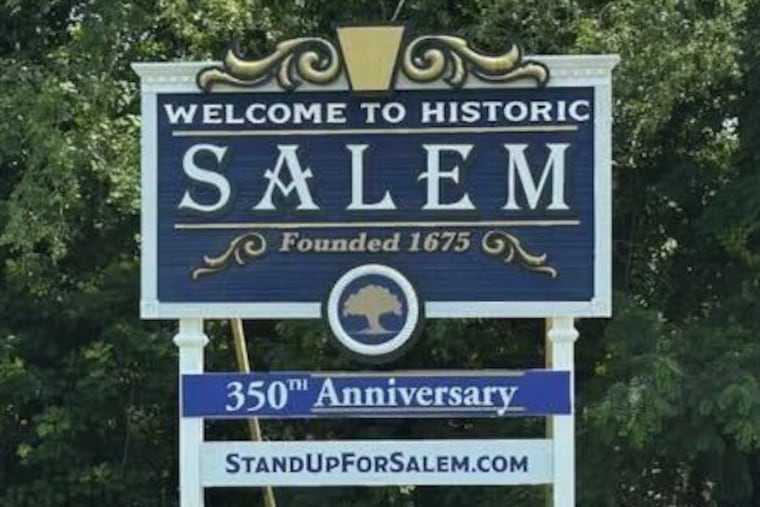
Salem organization president apologizes for asking Black students to portray enslaved individuals during an event.
In a recent assembly of the Salem County NAACP, Tom Smith, the president of Stand Up for Salem, extended a formal apology to the community following a controversial incident that ignited concern over racial sensitivity. The outrage stemmed from a proposal initiated by former Executive Director Betsy McBride, who had suggested involving Black children in a reenactment intended to commemorate the city’s 350th anniversary.
During the meeting, held on a Monday evening, Smith expressed regret over the situation, acknowledging the pain it caused within the community. The proposal, which was made without the approval of the organization’s 14-member board, was met with immediate disapproval upon its unveiling, prompting swift action from Stand Up for Salem. McBride was first suspended and subsequently terminated following a fact-finding inquiry.
The controversy unfolded when residents learned of the nonprofit leader’s request to include local Black children in the historical reenactment. This decision was deemed profoundly insensitive, given the historical context of slavery in the region. Community leaders and civil rights advocates voiced their concerns over how such a depiction could contribute to racial trauma and perpetuate harmful stereotypes.
In addressing the NAACP members, Smith affirmed McBride’s acknowledgment of her misjudgment in reaching out to a local school principal about having students partake in the reenactment. Smith stated that McBride had been with Stand Up for Salem for approximately three years, and clarified that her actions were not representative of the organization’s mission to foster community development through resident-led initiatives.
In an email to the principal of Salem Middle School, McBride later expressed regret for her request, articulating her intent to depict “living history” in Salem. However, she recognized that her approach overlooked the potential ramifications of her suggestion, admitting her thoughts had been influenced by her privileges.
NAACP President Nelson Carney Jr. accepted Smith’s apology and noted that the anniversary event would proceed on October 4 without the participation of child reenactors. He emphasized the importance of collective healing moving forward and reiterated their commitment to collaboration in addressing community concerns.
At the meeting, Smith received applause as he reaffirmed his commitment to inclusivity, announcing plans for the organization to diversify its board, engage local residents, and implement racial sensitivity training. This approach aims to mitigate the likelihood of similar situations arising in the future.
Salem, which was founded in 1675, has a rich but complex history, with records of early settlers involving slavery. The town’s demographic makeup reflects significant diversity, with around 58% of its approximately 5,200 residents identifying as Black, 24% as white, and 11% as Hispanic, alongside a smaller proportion of Native American, Asian, and multiracial individuals.
The tumult surrounding the reenactment proposal underscores the ongoing need for dialogue and understanding within the community, as well as a commitment to respect and accurately represent the history of all its residents.


