Scientists in Philadelphia awarded over million in funding for autism research from a new center established by RFK Jr.
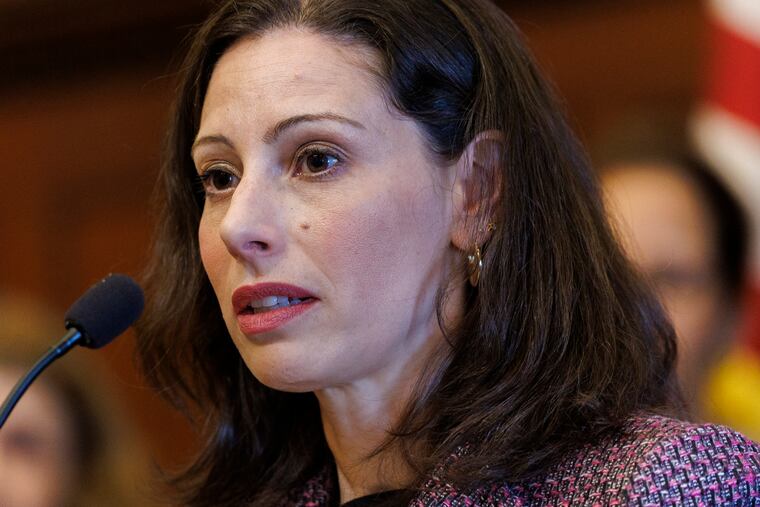
The recent announcement of a million initiative by the Trump administration to fund autism research has sparked considerable excitement among the scientific community. Judith Miller, a psychologist at the Children’s Hospital of Philadelphia (CHOP), has already mobilized her expertise to draft a proposal aimed at investigating the causes of autism. Collaborating with numerous scientists from CHOP and the University of Pennsylvania, Miller participates in daily discussions focusing on potential research questions and the datasets necessary for their studies.
The project, which is particularly concentrated on “exposomics,” seeks to explore how environmental factors contribute to autism. This focus aligns with Health Secretary Robert F. Kennedy Jr.’s Autism Data Science Initiative, which emphasizes uncovering the environmental toxins purported to influence the rising incidence of autism in the United States. The initiative aims to utilize extensive private and public datasets to deepen understanding of various causative factors concerning the developmental disorder.
While the pledge of million has revitalized funding avenues for autism research, it follows significant federal budget cuts that previously destabilized many academic studies. As Kennedy is known for his controversial views linking vaccines to autism—a stance that is largely discredited by scientific research—some researchers initially expressed concern regarding the focus areas and the allocation of the new funds. Kristen Lyall, an autism researcher from Drexel University, indicated that apprehension exists about whether the funding would be directed towards well-established theories or less substantiated claims.
Despite these concerns, the recent announcement of grants awarded to respected researchers has cheered those committed to the scientific rigor necessary for autism studies. Among the recipients are Miller’s CHOP-led project, which has been allocated .3 million, and Lyall’s study, which has received over million. These efforts will delve into various environmental influences, such as air pollution and maternal diet, that could affect autism risk.
Miller’s project aims to harness a dataset encompassing 100,000 children, with the goal of understanding the complex interplay of genetic and environmental factors contributing to autism. Lyall’s research, on the other hand, will critically examine how dietary habits, exposure to harmful chemicals, and pregnancy complications might be intertwined with autism’s development. The objective of these studies is not only to identify potential risk factors but also to build predictive models that could extend beyond autism to other developmental disorders.
Both researchers emphasize the importance of a multivariate approach in studying autism, recognizing that while genetics plays a substantial role, environmental elements must also be accounted for. This comprehensive methodology may offer crucial insights into effective interventions and inform future studies on various health conditions.
With rigorous scientific inquiry at the forefront, this initiative embodies a proactive step towards broadening the understanding of autism, fostering hope for enhanced diagnostic and intervention methods in the future. As researchers embark on these ambitious projects, they aim to create a robust framework for understanding the complexities of autism and its contributing factors.
Media News Source