Self-employed individuals may be exempt from Philadelphia’s business tax, according to recent discussions by the City Council.
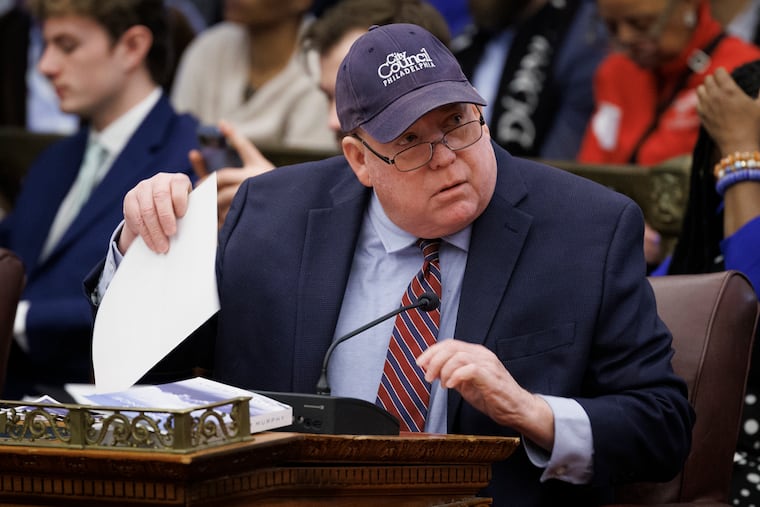
Philadelphia is considering legislation that could exempt independent contractors and self-employed individuals from certain business taxes, a move that reflects efforts to alleviate financial pressures on small businesses within the city. Councilmember Mike Driscoll, representing parts of Northeast Philadelphia, introduced the bill on Thursday, designed to exempt sole proprietorships and single-employee businesses from the city’s Business Income and Receipts Tax (BIRT).
The proposed legislation comes in the wake of recent tax changes that eliminated a popular exemption, previously allowing businesses to exclude their first 0,000 in income from taxation, a benefit that significantly impacted numerous small enterprises. This decision was influenced by a lawsuit filed by a medical device manufacturer against the city, claiming that the exemption was unconstitutional under state law due to a clause prohibiting municipalities from establishing varied classes of taxpayers.
Under Driscoll’s new measure, should it pass, eligible entrepreneurial individuals and small businesses would see the benefits kick in during the 2026 tax year, allowing them to avoid BIRT payments when taxes are due in April 2027. Driscoll asserts that this bill addresses urgent financial concerns from small business owners struggling with escalating tax bills, emphasizing that a business with an income of around ,000 should not be facing a tax hike of approximately ,200, which he deems unsustainable.
In addition to the BIRT exemption, City Council on Thursday discussed other legislative efforts aimed at improving the economic landscape for Philadelphia residents. Notably, Councilmember Jamie Gauthier introduced measures addressing the rising costs of water bills, including expanding eligibility for financial aid programs and mandating reductions in bills resulting from prolonged meter failures. With widespread support among Council members, these initiatives are anticipated to pass.
Moreover, further endeavors aim to streamline the process for restaurants seeking outdoor dining permits, which has been criticized for being excessively lengthy and convoluted. Councilmember Rue Landau proposed legislation to facilitate this process, highlighting the challenges faced by businesses situated outside core commercial districts.
During these discussions, Philadelphia’s political leadership continues to navigate complex fiscal policies with the intent of fostering a thriving environment for small businesses while also addressing public health and infrastructure concerns. As various legislative measures unfold, the city remains poised for potentially transformative changes aimed at supporting its diverse economic landscape.