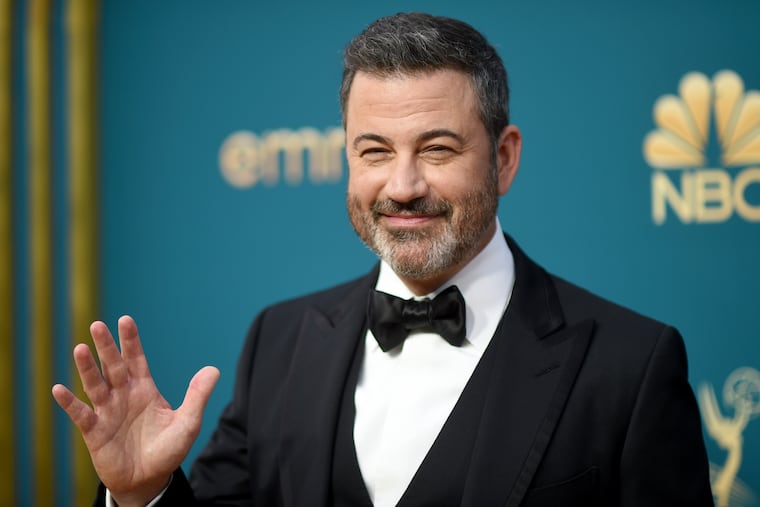
Senator Fetterman questions if the term ‘fascism’ can be applied to current political climate amid late-night host controversy.
The recent announcement from ABC to indefinitely suspend late-night host Jimmy Kimmel has stirred significant concern regarding freedom of expression in American media. This development occurs against a backdrop of rising tensions surrounding free speech, particularly in the wake of political violence that has gripped the nation.
Kimmel’s suspension reportedly followed remarks he made in response to the tragic assassination of conservative commentator Charlie Kirk, which were deemed inflammatory by certain political figures, including former President Donald Trump and Federal Communications Commission (FCC) Chair Brendan Carr. Their reactions have raised alarms over potential governmental overreach into the realm of media and entertainment.
Critics have pointed to Kimmel’s comments as a catalyst for ABC’s decision, illustrating a troubling trend where media companies may feel pressured to censor voices that oppose political powers. Although Kimmel’s remarks can be characterized as relatively mild, the network’s decision reflects an apprehensive environment where content creators may self-censor to avoid repercussions from governmental authorities.
This scenario underscores a pivotal moment for First Amendment rights in the United States. While private entities like television networks have the ability to set their own guidelines, the landscape becomes precarious when public officials intervene in discussions regarding permissible speech. The chilling effect of such government influence cannot be overstated, particularly in a nation built upon diverse opinions and free thought.
Furthermore, the implications of Kimmel’s suspension extend beyond the entertainment sphere. They raise crucial questions about the health of civil discourse in American society. With politicians like John Fetterman and Dave McCormick publicly addressing concerns about civility while simultaneously criticizing their opponents for describing government actions as fascistic, the discord between political narrative and practice becomes increasingly apparent.
The stakes involved are high, especially given the current sociopolitical climate characterized by heightened polarization. If the political elite continue to act in ways that stifle dissenting voices, it risks normalizing a culture of fear around free expression.
To encapsulate, ABC’s suspension of Jimmy Kimmel is more than a response to specific comments; it is a reflection of a broader struggle about the role of ideology in media, the limits of acceptable discourse, and the potential dangers of political interference in creative spaces. As political and media landscapes continue to evolve, the future of free speech remains contingent upon the actions and inactions of both government bodies and individuals within the media industry.
Media News Source