SEPTA and its largest union continue negotiations; buses, subways, and trolleys will remain in operation.
On Sunday evening, the Transport Workers Union Local 234 and the Southeastern Pennsylvania Transportation Authority (SEPTA) reached an agreement to extend contract negotiations into Monday, temporarily averting a potential strike that could have severely disrupted public transportation across Philadelphia. As the negotiations progressed, members of Governor Josh Shapiro’s administration actively facilitated discussions between union leaders and SEPTA executives in an effort to overcome previous impasses.
The central issues hampering negotiations centered on enhancements to pension plans put forth by the union, alongside SEPTA’s push for greater employee contributions to health care coverage. These contentious topics had emerged as the principal barriers to a mutually satisfactory agreement, according to various sources within both the union and the transit authority.
SEPTA spokesperson Andrew Busch remarked on the progress made during discussions facilitated by the governor’s office, indicating that significant advancements had been achieved in addressing the union’s concerns. The union expressed a similar sentiment, stating that meaningful headway had been made in negotiations.
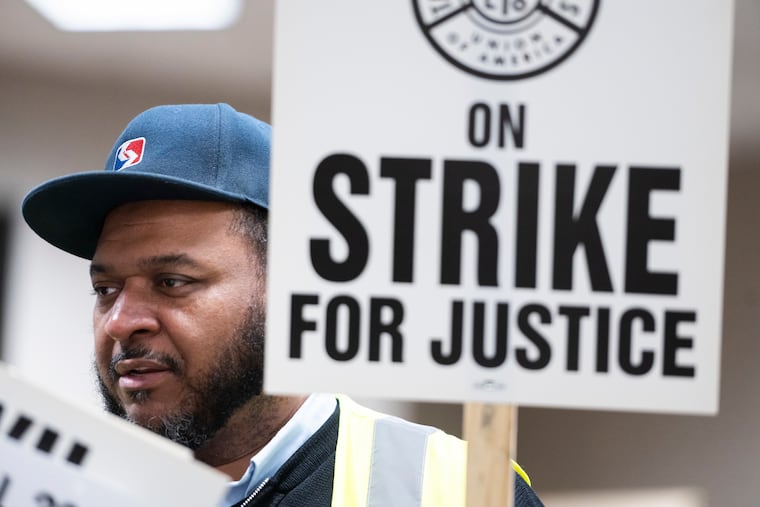
The urgency of resolution became particularly acute last week when TWU Local 234 President Will Vera expressed discontent over perceived inflexibility from SEPTA, hinting that a walkout might be imminent. Such a work stoppage could have had catastrophic consequences for the city’s mass transit system, which caters to approximately 790,000 riders each weekday.
TWU Local 234 represents about 5,000 employees, including operators of buses, subways, elevated trains, and trolleys, in addition to mechanics and maintenance staff primarily focused in the Philadelphia area. Although their one-year labor contract expired on November 7, union members had continued to work while authorizing their leaders on November 16 to initiate a strike if necessary.
While both parties remained relatively close on salary issues and expressed interest in a two-year deal following a succession of one-year agreements, major disagreements persisted regarding health care contributions and pension adjustments. SEPTA management aimed to increase employee contributions and co-pays for health services, while the union sought enhancements to a pension formula that had last been modified in 2016.
Concerns over the implications of pension adjustments raised apprehensions within SEPTA regarding an estimated potential annual unfunded liability of approximately million, a figure the union contested, asserting the pension plan’s finances could absorb the proposed changes.
It is worth noting that TWU Local 234’s contracts typically serve as a foundation for agreements among other unions within the SEPTA framework, raising broader cost concerns for the entire transit system. In addition to the existing union negotiations, there are implications for regional rail operations, with other union members potentially joining a strike, which would leave the rail service as the only mode of public transit still operating during labor disputes.
SEPTA has a historical reputation as one of the most strike-prone public transit systems in the United States, suffering at least 12 labor disruptions since 1975. The last strike involving TWU occurred in 2016 and lasted six days, leading to concerns from political entities regarding voter turnout during a critical election period. As discussions continue, the focus remains on reaching a resolution that mitigates the impact on Philadelphia’s transit-dependent community and avoids repeating past disruptions.
Media News Source.