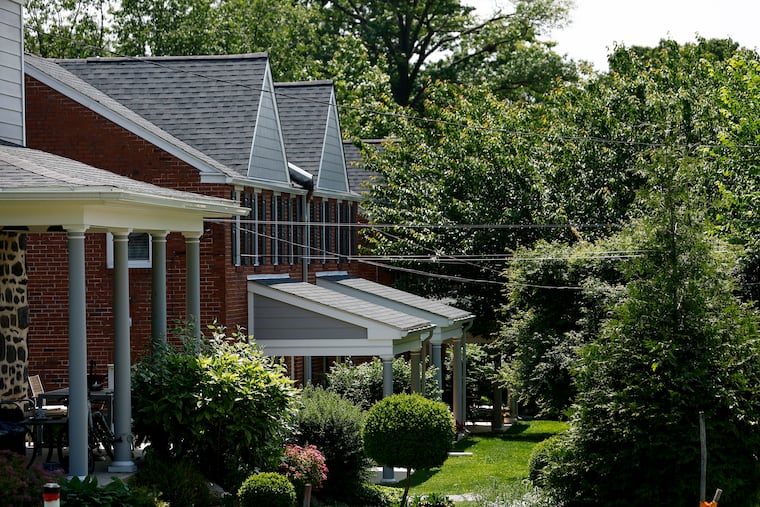
SEPTA and Main Line Development Compete Over Real Estate Projects
The Southeastern Pennsylvania Transportation Authority (SEPTA) is facing a significant funding crisis that could lead to drastic service cuts, prompting concern among residents in the Philadelphia area. If additional state funding is not secured, service reductions may affect multiple transit lines, presenting challenges that could disrupt daily commutes, impact local businesses, and compromise accessibility for residents both within and beyond the city limits.
The imminent threat of service cuts has been highlighted in various reports, emphasizing the potential consequences for commuters who rely on SEPTA’s bus and rail services. Longer commute times and reduced availability of transit options are anticipated, which could disproportionately affect those who depend on public transportation for work, education, and essential travel. Many residents have made housing decisions based on access to reliable transit options, and a reduction in service could diminish the attractiveness of these neighborhoods.
Municipalities across the region, particularly those situated along transit corridors such as the Main Line, have invested in surrounding developments, integrating residential and commercial spaces to foster walkable communities. This focus on transit-oriented development has significantly revitalized areas like Ardmore and Malvern, creating vibrant environments that cater to both new businesses and growing families.
However, proposed reductions in SEPTA’s service could undermine these efforts, disrupting the momentum gained over recent years. Key services affected include the Paoli/Thorndale Line for regional rail passengers and several bus routes that service areas like Lower Merion and Narberth. Consequently, residents who chose their homes for their proximity to transit may find themselves facing limited mobility options, jeopardizing their quality of life.
In addition to examining the implications for transit-oriented development, the impact on the local housing market cannot be ignored. Philadelphia has recently emerged as a hotbed for real estate activity, with heightened competition among homebuyers, as noted in Zillow’s latest research. As families and professionals seek homes that offer convenient access to transit, any service reductions could hinder this trend and alter market dynamics.
As discussions surrounding SEPTA’s funding and service viability continue, it will be crucial for local governments, stakeholders, and residents to engage in dialogue about finding sustainable solutions that prioritize public transit as a necessary component of an accessible and thriving community. To read more about the impact of SEPTA’s proposed cuts on the region’s development and transportation landscape, please refer to Media News Source.