
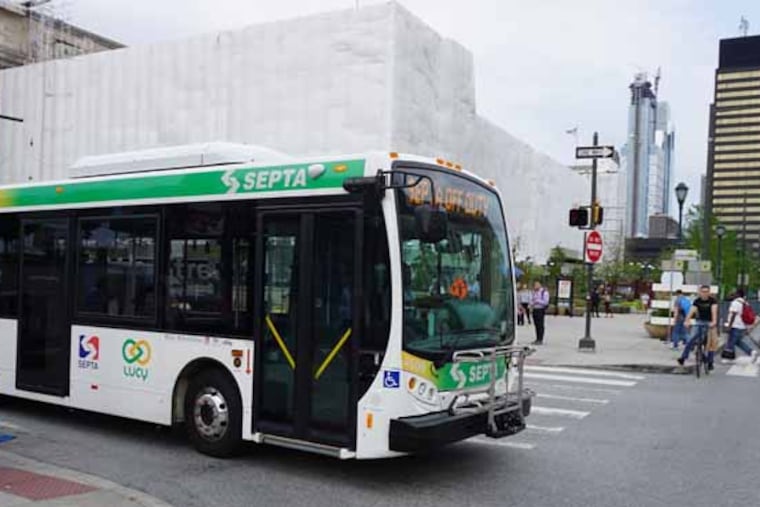
SEPTA awarded million for diesel-electric hybrid buses by federal government.
In a significant development for sustainable transportation, the Southeastern Pennsylvania Transportation Authority (SEPTA) has secured a million grant from the Federal Transit Administration (FTA) to enhance its bus fleet. This funding is part of the FTA’s Bus Low- and No-Emission grant program, aimed at advancing the use of clean energy technologies in public transit systems.
The grant will facilitate the replacement of 35 aging diesel-powered buses with more environmentally friendly diesel-electric hybrid models. The new buses, measuring 32 feet in length, are expected to be delivered by 2028, marking a pivotal shift in SEPTA’s operational strategy. Upon arrival of the hybrids, the transit authority will entirely eliminate diesel-burning buses from its fleet, a move that reinforces its commitment to reducing greenhouse gas emissions and promoting cleaner air in the region.
While the federal government has generally been retreating from investing in clean energy initiatives under the current administration, this latest funding reflects a continued priority for public transit investments. The initiative aligns with broader goals of enhancing operational efficiency and reliability in public transportation.
The new hybrid buses will predominantly serve routes in University City, specifically the LUCY Loop, along with Routes 310, 311, 312, and 204, which connects various localities, including Eagleville and Paoli Station. The shorter length of these buses makes them well-suited for dense urban areas, further contributing to SEPTA’s adaptability in bus service delivery.
SEPTA’s General Manager emphasized that the introduction of these new hybrid buses would not only improve operational efficiency but also enhance the overall reliability of services for its customers. The grant application was submitted in July, a proactive move that reflects SEPTA’s strategic planning to secure funding in advance.
U.S. Representative Brendan Boyle hailed the grant as a vital victory for Philadelphia, underscoring its potential to improve transit reliability and air quality for the many residents who rely on SEPTA daily. He attributed the funding to President Joe Biden’s bipartisan infrastructure law—a program he worked to advocate.
Additionally, U.S. Transportation Secretary Sean P. Duffy stressed the importance of investments in bus infrastructure, stating that buses are the most utilized form of public transportation in America. This grant is part of a broader allocation of .1 billion from the fiscal year 2025 federal budget, which also earmarks an additional 8 million for the bus grant program in the fiscal 2026 budget.
This proactive approach by SEPTA highlights the potential for public transit agencies to lead in sustainable practices, demonstrating a commitment to both modernizing transportation networks and addressing environmental concerns in urban settings. As the transit authority moves forward, the positive ramifications for local communities and the environment may prove substantial.


