SEPTA reports inability to fund 22 infrastructure projects aimed at assisting individuals with mobility challenges.
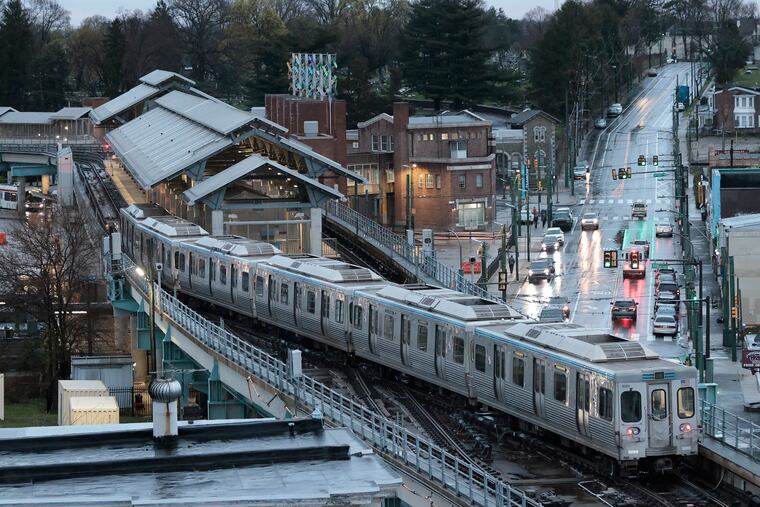
The Southeastern Pennsylvania Transportation Authority (SEPTA) faces significant challenges as it navigates its latest budget crisis, marked by proposed service reductions that include the discontinuation of bus routes and the temporary suspension of five Regional Rail lines. The ongoing discussions surrounding these potential service cuts illuminate a broader issue regarding the transit authority’s capital expenditures.
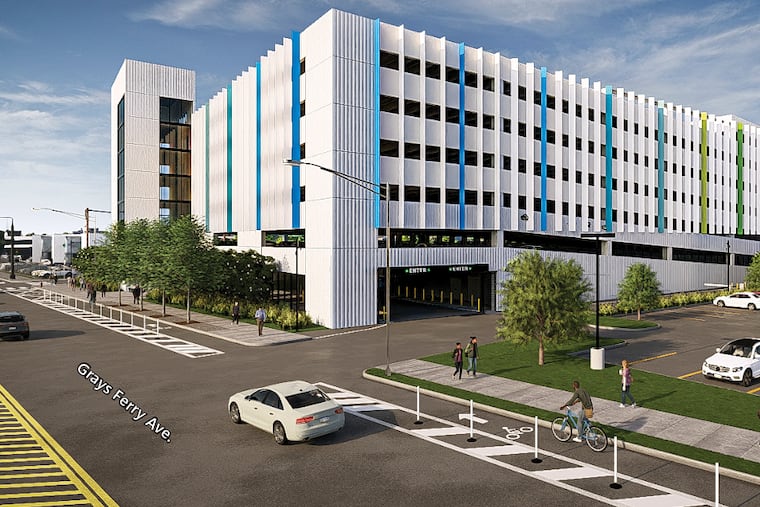
In its draft spending plan, SEPTA has indicated a billion shortfall between the costs of necessary infrastructure improvements and the available funding. As a result, the agency plans to defer or scale back 44 planned projects — a decision that is rooted in escalating construction costs and insufficient fiscal resources. These capital expenditures are critical for maintaining and enhancing transit services, which are essential for the communities SEPTA serves.
The delayed projects predominantly involve modifications to enhance accessibility for individuals with disabilities, as mandated by the Americans with Disabilities Act (ADA). Over 20 such projects, amounting to approximately 6 million, will be postponed due to funding constraints. These infrastructure improvements are vital for facilitating equitable access to public transportation, yet they are now deemed less urgent compared to safety-related projects.
SEPTA officials emphasize that several funding mechanisms and fiscal strategies will be employed to navigate this dire situation. The agency plans to save approximately .8 billion through project postponements and scope reductions, alongside an initiative to borrow .2 billion through bond issuance beginning in 2028. This fiscal plan aims to ensure the continuation of some pressing infrastructure upgrades, particularly those that replace aging railcar fleets and modernize essential transit components.
The financial predicament is exacerbated by external factors beyond SEPTA’s control, including a dramatic 62% increase in construction costs over the past four years, driven by rising material prices and labor demands. Furthermore, the influx of federal infrastructure funding has broadened competition for contractors, thereby reducing the number of competitive bids and leading to higher prices for transit projects.
Additionally, SEPTA receives comparatively limited local funding for infrastructure projects when contrasted with similar transit systems, as legislation in Pennsylvania restricts county governments from levying dedicated taxes for transit. With the current federal infrastructure law set to expire next year, SEPTA officials anticipate a further decline in available funds, compounding the challenges that lie ahead.
To summarize, SEPTA’s financial difficulties are a complex interplay of escalating costs, funding shortages, and regulatory constraints, which collectively threaten the future of accessible and reliable public transit in the region. As the agency grapples with these issues, stakeholders will need to remain vigilant, exploring innovative solutions to safeguard the vital infrastructure that underpins their communities.