SEPTA Riders Highlight 9 Major Concerns Over Proposed Commuting Cuts
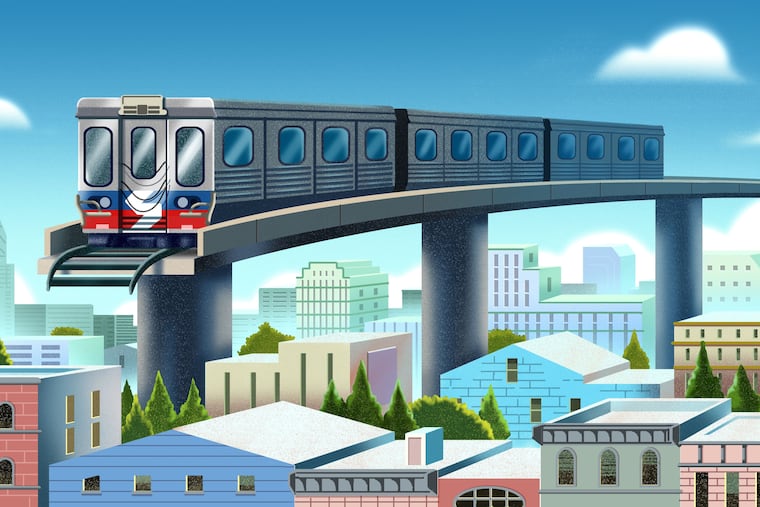
As Philadelphia’s Southeastern Pennsylvania Transportation Authority (SEPTA) faces a critical funding crisis, the agency warns of potential drastic cuts to its services that could reshape transit in the region. Without securing additional financial support by the end of June, SEPTA plans to implement significant cuts, particularly to its expansive bus network, starting August 24. This move will be followed by a fare increase in September and the elimination of five Regional Rail routes, alongside the introduction of an early curfew for subway services beginning in January 2025.
SEPTA currently manages the sixth largest mass transit system in the United States, conducting approximately 800,000 trips each day. However, concerns have escalated following an announcement made earlier in April, prompting riders across the region to express alarm over how diminished public transit options would affect their daily routines. Many have articulated the severe impact the proposed cuts would have, particularly on those who rely heavily on public transportation to commute to work or school.
A range of commuter testimonies highlights the profound implications of these changes. For instance, a sophomore at Community College of Philadelphia noted that the planned cessation of subway services at 9 p.m. would drastically limit options for late-night workers, forcing them to consider unsafe alternatives like biking home through potentially hazardous conditions. Others emphasized the challenges that would face students needing reliable transit to attend classes at late hours, further complicating their educational journeys.
In addition to immediate commuting concerns, several individuals shared how SEPTA plays a pivotal role in job accessibility. A recent graduate pointed out that without reliable public transit, opportunities in an already challenging job market would be severely constrained. This emphasis on transit’s role in ensuring economic mobility resonates throughout the community, particularly among younger residents and students.
The potential reduction of SEPTA’s services has sparked a community backlash, with public forums and discussions emerging about the agency’s future. Economic experts warn that dismantling transit services could lead to long-term adverse effects not only on the commute times but also on the region’s broader economic viability. As the deadline approaches for SEPTA to secure funding, the situation remains critical for hundreds of thousands who depend on the agency’s services daily.
The urgency for a sustainable solution is palpable, as it represents not just a transportation issue but a vital aspect of daily life for many Philadelphians. Public engagement and advocacy will likely be pivotal in determining the future of SEPTA and its role in the city’s transportation landscape.