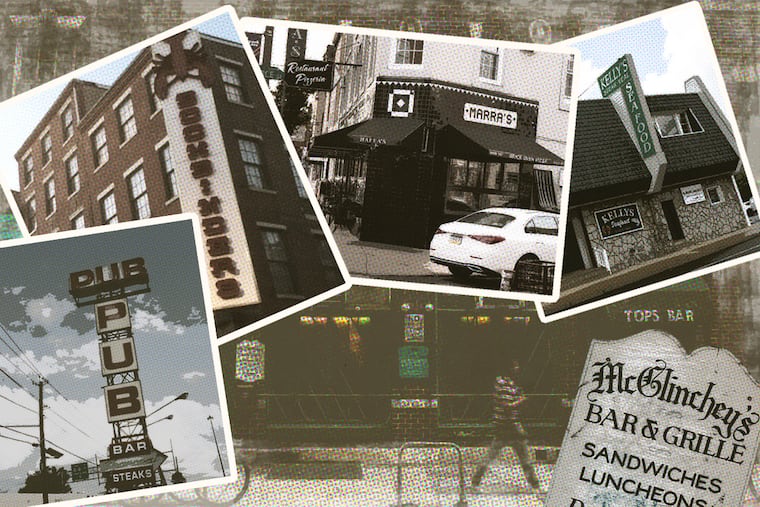
Several historic Philadelphia restaurants are closing or being sold.
A wave of change is sweeping through the Philadelphia-area restaurant scene, marked by the closure of several long-standing establishments and a trend toward potential sales as a generation of owners approaches retirement. This transition reflects not only the personal decisions of owners but also a shifting landscape for independent restaurants in the region.
Renowned venues such as Kelly’s Seafood and Steve Stein’s Famous Deli are set to close, concluding long histories rooted in the community. Kelly’s Seafood, a beloved staple in Northeast Philadelphia, is shuttering its doors due to the retirement of the Kelly family after operating for three generations. Similarly, Stein’s Famous Deli, which has operated for nearly 70 years, is also poised to close, evidencing the retirement-related challenges facing aging businesses.
Beyond these definitive closures, many establishments find themselves in uncertain positions. The Pub, a large steakhouse in Pennsauken, is on the market but remains operational. This restaurant, known for its unique medieval decor and expansive seating, is not closing but is reassessing its future as its ownership seeks new stewardship. Meanwhile, Cherry Street Tavern, a Logan Square bar in operation for over a century, is actively seeking a buyer, emphasizing the generational transitions impacting small businesses.
This trend is not indicative of a downturn in the restaurant industry. In fact, while 86 Philadelphia-area restaurants closed in 2025, over 100 new establishments are slated to open in 2026, illustrating a vigorous market dynamic. Many of the closures underscore the resilience of these long-standing businesses, which previously endured the challenges of the pandemic and rising operational costs.
Industry experts describe this phenomenon as the “gray wave,” depicting the generational transitions occurring as older operators retire without successors among their children or relatives. Jim Creed, a senior vice president with a commercial real estate firm, notes that the enduring challenges of the restaurant industry often deter younger generations from continuing family legacies.
The conversation surrounding restaurant turnover also includes considerations about real estate. Properties traditionally associated with dining may hold significant value, influenced by their potential for other business uses. Experts highlight that the value of these properties can be affected by their long-standing history and operational success.
As eateries navigate this transitional phase, both buyers and sellers are presented with unique opportunities. New restaurateurs may choose to continue the legacy of established spaces or transform them for contemporary use, preserving the history while adapting to modern consumer preferences. This balance between heritage and innovation is crucial as the Philadelphia dining scene evolves into its next chapter.
By observing these shifts, it is clear that while some beloved institutions will close, opportunities for new ventures continue to emerge. The interplay of generational change, evolving consumer behaviors, and real estate dynamics will shape the future landscape of restaurant ownership in the region.
Understanding these transitions offers valuable insight into the restaurant industry’s ongoing evolution, a sector that remains a significant cultural and economic force in the Philadelphia area.
Media News Source