Severe winter storm impacts U.S. with ice, freezing temperatures, and widespread power outages.
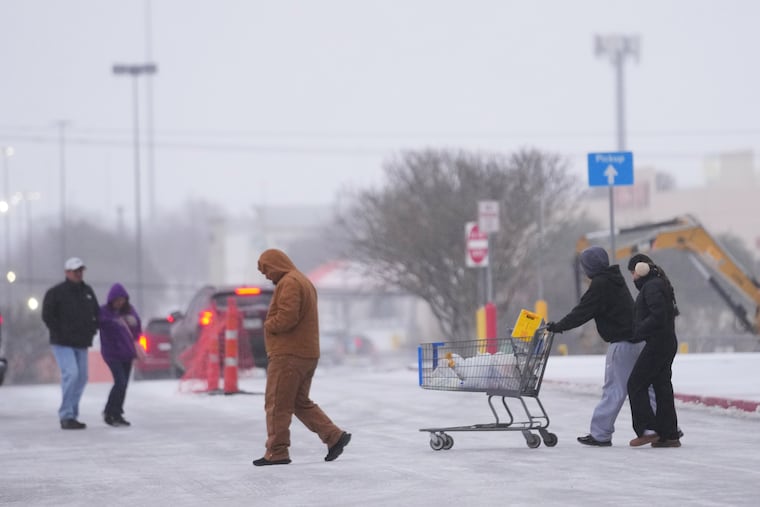
A significant winter storm swept through much of the United States, unleashing a combination of sleet, freezing rain, and snow on Sunday, resulting in subzero temperatures that disrupted both air and road traffic. Power infrastructure suffered extensively as ice coated power lines, leaving hundreds of thousands of residents in the Southeastern states without electricity.
The National Weather Service anticipates that ice and snow accumulation will persist into Monday in various regions, and extremely low temperatures are likely to exacerbate dangerous travel conditions and disrupt essential services for days to come. Heavy snowfall is projected from the Ohio Valley to the Northeast, while severe ice accumulation poses a threat from the Lower Mississippi Valley through the Mid-Atlantic and Southeast regions.
Meteorologist Allison Santorelli noted the unusual breadth of the storm, which affected areas spanning approximately 2,000 miles—from New Mexico and Texas to New England. In response to the emergency, President Donald Trump approved declarations for at least a dozen states, with the Federal Emergency Management Agency (FEMA) mobilizing resources including personnel and rescue teams across the most affected areas.
New York Governor Kathy Hochul conveyed that the state is preparing for unprecedented cold stretches and significant snowfall, particularly in communities near the Canadian border, which have already recorded extreme temperatures. For instance, Watertown, NY, experienced a chilling minus 34 degrees Fahrenheit, while Copenhagen, NY, reported temperatures as low as minus 49 Fahrenheit.
As of Sunday morning, around 213 million individuals were under various winter weather warnings, with power outages affecting over 900,000 customers nationwide. Tennessee was notably impacted, having nearly 325,000 customers in the dark, while states like Texas, Louisiana, and Mississippi faced similar challenges. The storm’s impact extended to air travel, with approximately 11,000 flights canceled and over 13,000 delays reported, severely affecting airports in major cities like Philadelphia, Washington, D.C., and New York.
Meteorologist Santorelli cautioned that even after the storm subsides, the danger will persist due to the likelihood of sustained bitter cold, which will hinder efforts to clear snow and restore power. Meanwhile, reports from the Gulf Coast indicate a drastic temperature drop from previous highs in the 60s and 70s to the 20s and 30s.
In New York City, authorities reported the tragic loss of at least five lives attributed to the extreme cold prior to the onset of significant snowfall. Mayor Zohran Mamdani emphasized the need for vigilance as cold weather continues to pose a serious threat to public safety.
In Corinth, Mississippi, where power outages were particularly widespread, local businesses instructed employees to remain home. Citizens expressed concern over the severe weather conditions, while the University of Georgia in Athens observed a thin layer of ice on campus, signaling a notable weather disturbance.
Local officials continue to urge residents to remain indoors until conditions improve. The recovery process is expected to be lengthy, as utility companies across Mississippi report catastrophic damage and anticipate weeks, rather than days, of power restoration. The Tennessee Valley Authority also confirmed stability in their bulk power system; however, regional power interruptions persist due to issues stemming from ice accumulation.
As communities across the affected regions brace for continued challenges brought on by this severe winter storm, authorities remain on high alert, urging caution and preparation in the face of harsh weather conditions.