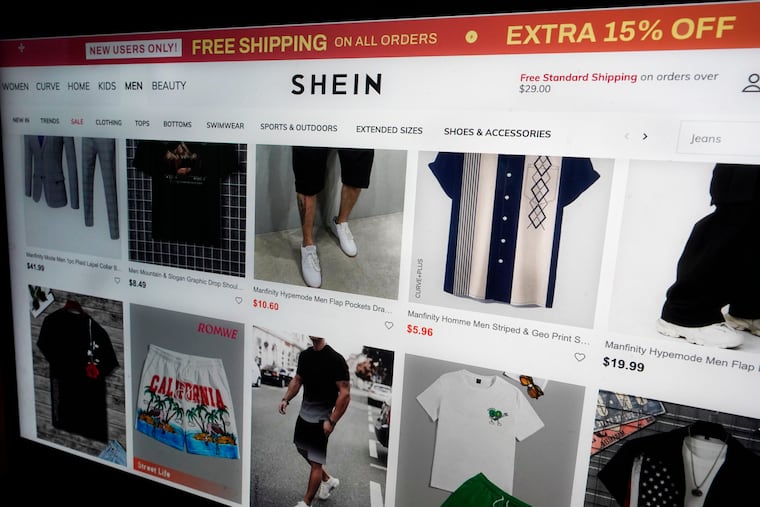
Shein sex doll controversy raises awareness about unethical practices in online marketplaces.
LONDON — France’s recent crackdown on Shein, a popular Chinese online retailer, highlights ongoing concerns regarding the regulation of online marketplaces. The French government has initiated actions against Shein due to its sales of products deemed illegal, including childlike sex dolls and prohibited weapons. Such incidents illuminate a significant challenge faced by major online platforms: the enforcement of adequate oversight on third-party sellers, which often results in the availability of counterfeit, illegal, or otherwise inappropriate goods.
The growth of online marketplaces like Amazon, Alibaba, Temu, and Shein over the past decade has facilitated unprecedented access to low-cost products for consumers worldwide. However, the vast and diverse inventories found on these platforms often lead to violations of safety and legal standards. For instance, Amazon has faced scrutiny in the past related to allegations of selling illegal weapons and inappropriate items resembling children, issues that have now emerged prominently in the context of Shein’s operations in France.
Sylvia Maurer, director of advocacy coordination at the European consumer organization BEUC, noted that the lack of consistent product policing allows problematic items to re-emerge under different listings shortly after being removed. This continuous cycle of oversight failure makes it increasingly difficult for authorities to maintain effective regulation.
Following government scrutiny, Shein engaged with officials from the European Commission to address these issues. In response to allegations, the French Finance Ministry recently permitted Shein to resume operations after the retailer demonstrated compliance by removing restricted items from its offerings. Nonetheless, the company remains under close observation as investigations continue.
Shein, which appeals primarily to young and budget-conscious consumers, offers an extensive catalog of approximately 10 million items predominantly sourced from third-party vendors. This model raises concerns about the adequacy of quality control, as many products may go unreviewed by the platform prior to being listed. In a statement, Shein asserted that it employs a team of over 900 content moderation staff and detection tools aimed at identifying prohibited listings.
Despite assurances, the challenges of enforcing accountability remain substantial. E-commerce experts argue that marketplaces, acting as intermediaries, frequently escape liability for the products sold on their platforms under current European Union regulations. This lack of accountability is exacerbated by the difficulty of enforcing regulations against foreign sellers without a direct presence within the EU.
As investigations unfold, several online marketplaces are under scrutiny for various compliance failures, including the accessibility of illicit materials to minors. The growing influx of low-value e-commerce packages from China has raised broader worries about consumer safety and the integrity of products entering the European market without adequate oversight.
In light of these challenges, French authorities are exploring initiatives to enhance regulatory frameworks governing online sales. French officials, including the Budget Minister Amelie de Montchalin, have intensified scrutiny on low-value parcels arriving at French customs, particularly at Charles de Gaulle Airport, as part of broader measures to detect illegal products, especially those associated with Shein.
The situation reflects a pressing need for enhanced regulatory reforms to address the complexities of e-commerce and marketplace dynamics effectively while safeguarding consumer interests in a rapidly evolving digital economy.