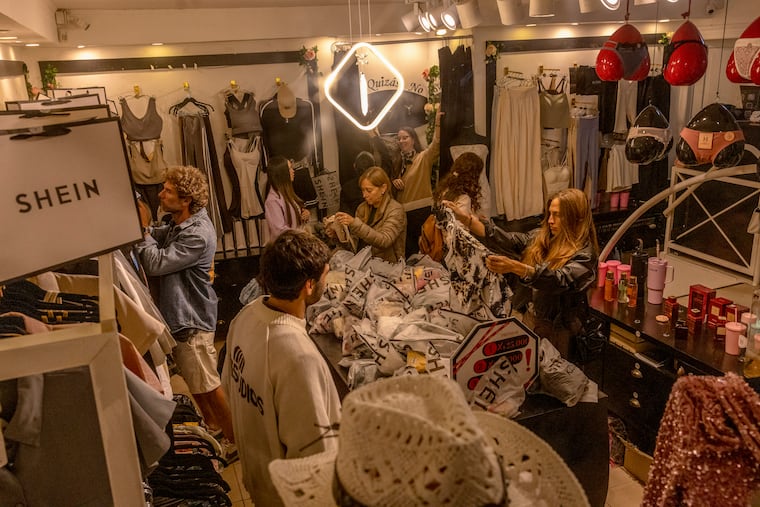
Shein’s IPO performance indicates challenges for the fast-fashion business model.
Shein, the fast-fashion retailer that captivated global markets with its promise of immediate consumer satisfaction, is currently facing critical challenges that cast doubt on its business model and long-term viability. Once heralded for its ability to produce an astounding 4,700 new styles daily, the company’s operational framework now appears outdated, with analysts asserting a shift in consumer and investor attitudes toward sustainable practices and ethical production.
According to industry experts, Shein’s manufacturing hubs in Guangdong, China, are largely devoid of the advanced technologies that symbolize modern industrial practices. Instead, they employ a significant number of workers who endure exhaustive shifts, often spanning 10 to 14 hours. As stated by Nirgunan Tiruchelvam, head of the consumer and internet division at Aletheia Capital, the company embodies an older technological paradigm that fails to excite modern investors.
Evidence of investor skepticism is reflected in the company’s stock performance, which saw a decrease of 6% shortly after its recent public offering. This decline dramatically underscores a drop in market valuation, from a peak of 0 billion to approximately billion. The initial public offering arrives in a context where competitors in the artificial intelligence sector recently achieved notable success during their own market debuts, highlighting a potential pivot toward sectors deemed to embody “new, quality productive forces” essential for economic innovation.
Institutional appetite for Shein shares appears tepid, with just over 20% of the offering being taken up by major investors, significantly lower than typical figures seen during high-demand public listings. This hesitation reflects broader concerns regarding Shein’s growth and its ability to adapt to shifting market dynamics, particularly in light of the expiration of tariff exemptions in the United States and Europe on inexpensive imports that aided the company’s aggressive pricing strategy.
Further complicating Shein’s situation are reports from China Labor Watch, which suggest that working conditions in its supply chain remain troubling, with workers subjected to grueling schedules and meager compensation. These revelations contradict the company’s own supplier policy, which stipulates that workers should not exceed 60 hours a week. Moreover, Shein has been embroiled in multiple lawsuits regarding alleged design infringements, further dampening its reputation in the eyes of potential investors.
With Gen Z demographics—the primary consumer group that propelled Shein’s growth—gradually shifting their preferences toward brands that prioritize affordability and sustainability, the company faces an uphill battle. Market research indicates that Shein has seen a decline in market share among younger consumers, suggesting an urgent need for strategic reassessment.
As industry observers draw parallels between Shein’s current standing and that of companies like Zoom, which experienced significant post-pandemic valuation declines, the trajectory of Shein’s narrative reflects an important lesson in the volatile nature of consumer preferences and market success. With the fashion industry evolving rapidly toward greater responsibility and innovation, the once-celebrated retail model that Shein pioneered may soon require a complete reimagining in order to remain relevant in an increasingly discerning marketplace.
This analysis was reported by Media News Source.