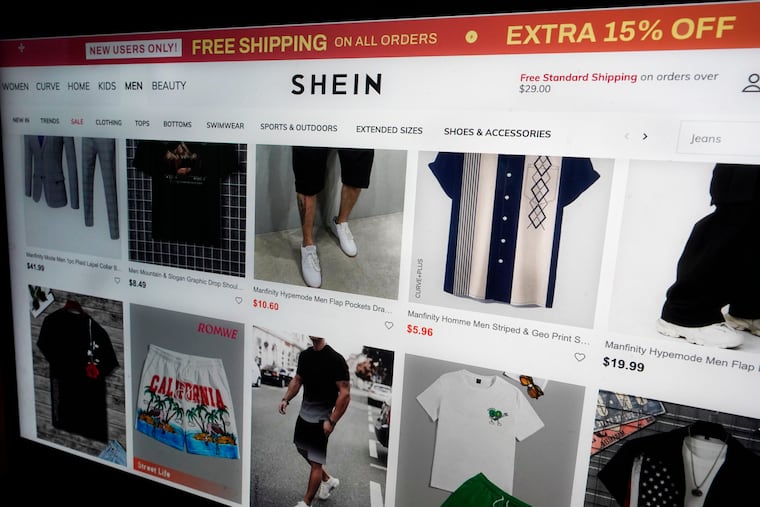
Shein’s sex doll controversy exposes troubling issues within online marketplaces.
LONDON — France’s recent actions against the online retailer Shein highlight a significant and ongoing issue surrounding the regulation of third-party sales on digital marketplaces. The crackdown is prompted by concerns over the sale of childlike sex dolls and prohibited weapons, raising questions about the effectiveness of platforms in ensuring compliance with legal and safety standards for the myriad of products they host.
Over the past decade, online marketplaces such as Amazon, Alibaba, Temu, and Shein have experienced an unprecedented surge in popularity, generating substantial revenues by offering consumers a vast selection of low-cost items. However, this proliferation has also exposed the vulnerabilities of these platforms in effectively monitoring the products listed by third-party vendors.
Historically, marketplaces like Amazon have faced criticism for similar issues. In 2022, the platform was scrutinized in the United Kingdom for facilitating the sale of illegal weapons, and in 2018, it faced backlash for allowing the marketing of sex dolls resembling children, which has been a central concern motivating France’s regulatory efforts against Shein. Advocacy groups argue that current oversight by these marketplaces is inadequate, leading to a situation where banned or unsafe products can reappear quickly after being removed.
Shein’s situation escalated when French authorities requested an investigation into the company under the EU’s Digital Services Act, designed to govern the activities of online platforms. Following assurances from Shein about the removal of illicit items from its catalog, the French Finance Ministry allowed the retailer to resume operations, though it remains under strict monitoring.
A significant aspect of Shein’s business model involves its vast catalog, which features approximately 10 million products, predominantly from third-party sellers. Experts emphasize that this massive online inventory is often not subject to thorough review, raising concerns about potential safety violations. Shein claims to leverage detection tools and maintain a global team of over 900 employees for content moderation to identify and eliminate prohibited listings. Amazon similarly states it employs measures to prevent non-compliant products from being sold through its platform.
The challenges extend beyond retailer response and into the broader legal framework. Current EU laws position online marketplaces as intermediaries, thereby limiting their liability for the products sold by third parties. This framework complicates accountability for items that fail to meet safety and legal standards. As online sales of low-value parcels surge, French authorities have initiated investigations into platforms including Shein, Temu, AliExpress, and Wish for alleged violations, including issues related to children accessing inappropriate content.
The increasing influx of inexpensive products from China raises additional concerns within the EU. Journalists report that customs officials examined 100,000 low-value parcels at Paris’ Charles de Gaulle Airport as part of an effort to track illegal goods originating from platforms such as Shein. France’s Budget Minister cited the overwhelming volume of small parcels as transformational but also problematic, saturating cities with counterfeit and potentially harmful products.
In response to the growing discontent, French officials, including the Foreign Minister, have expressed their frustration regarding the challenges of regulating online marketplaces. As these platforms continue to evolve, the debate surrounding accountability and regulation is likely to intensify, necessitating a reevaluation of existing legislative structures.
The ongoing scrutiny of Shein, alongside consistent challenges faced by other platforms, emphasizes the need for a more robust regulatory approach to safeguard consumer interests in an increasingly digital marketplace landscape.