
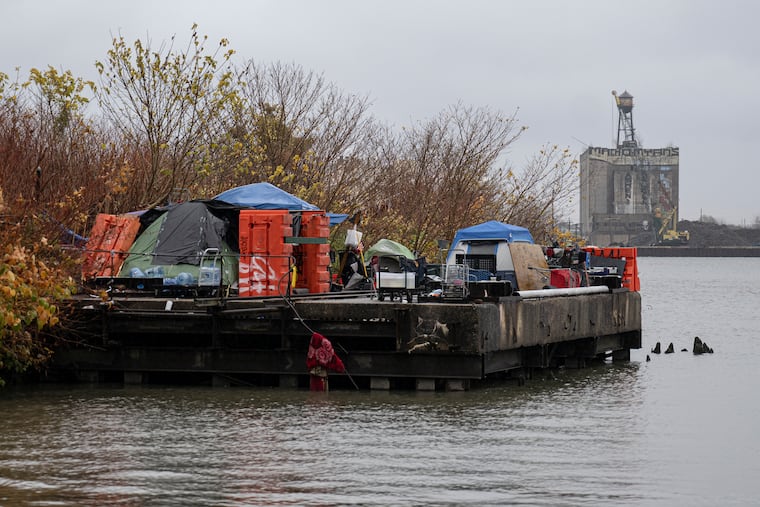
Significant changes in housing policy raise concerns among experts about potential negative impacts on the market and housing affordability.
The City of Philadelphia faces potential losses in federal funding for permanent housing as a result of recent policy changes enacted by the U.S. Department of Housing and Urban Development (HUD). Specifically, adjustments introduced during the Trump administration may put at risk millions that the city relies upon to support initiatives aimed at reducing homelessness and providing long-term housing solutions.
The HUD modification allows for the termination of funding for specific types of permanent supportive housing programs if they do not meet certain performance metrics. This could have devastating consequences for Philadelphia, particularly as city officials and housing advocates emphasize the urgent need to retain such funding to address the homelessness crisis effectively. There are concerns that the policy changes will ultimately exacerbate the existing challenges, leading to an increase in homeless populations and further strain on the city’s resources.
Current estimates suggest that Philadelphia could lose approximately .6 million annually in HUD funds, which are crucial for programs designed to provide supportive housing for individuals experiencing homelessness. For many residents, these funds are vital for accessing case management services, housing stability, and other support systems that facilitate a smooth transition from temporary shelters to permanent homes.
The impact of withdrawing such financial support could ripple through the community, affecting not only the homeless population but also the fabric of neighborhoods already under duress from poverty and economic instability. Local housing advocates warn that losing this funding could leave many without critical services that promote self-sufficiency and sustained housing.
In response to these challenges, advocacy groups are urging city officials to mobilize quickly and oppose the changes instituted by the current HUD leadership. They stress that maintaining and increasing funding for supportive housing should be a priority, especially as the city grapples with rising living costs and growing numbers of individuals at risk of losing their homes.
As the federal government reassesses funding policies, the future of housing support in Philadelphia hangs in the balance. Without a concerted push from local officials and advocacy organizations to maintain these vital resources, the city’s fight against homelessness may face setbacks that could have lasting implications for thousands of its most vulnerable citizens.
For those who rely on such programs, the stakes have never been higher, and the uncertainty surrounding future funding continues to create anxiety among both service providers and those receiving assistance. The implications of these federal policy shifts underscore the critical need for ongoing dialogue and advocacy to protect resources that foster stability and promote community well-being.
Media News Source


