
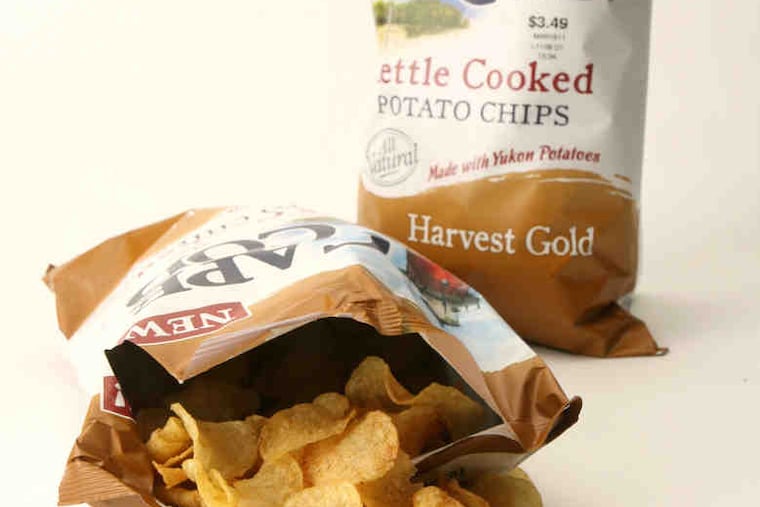
Snack brands compete to create the next popular chip flavor.
The landscape of snacks in the United States is witnessing a significant transformation as consumers increasingly seek healthier alternatives to traditional potato chips. While the potato chip remains a staple in the snack aisle, with annual sales amounting to billion according to Circana, a variety of innovative new snacks are emerging, catering to the growing demand for protein and fiber-rich options.
At the forefront of this shift are snacks made from unconventional ingredients such as cassava, tempeh, and even whole eggs. These offerings are gaining traction in supermarkets, reflecting a broader movement among health-conscious consumers eager to integrate whole foods into their diets without sacrificing convenience or flavor. Recent trade shows, such as the Expo West natural foods event, showcased a range of products that highlight this trend, including freeze-dried broccoli chips and zucchini snacks, developed by companies like Veggie Vice.
Market trends indicate an increasing consumer preference for snacks with fewer and more natural ingredients. Recent data show a declining interest in traditional snack foods: potato chip sales dropped by 1.2% and sales of tortilla chips remained flat over the past year. In contrast, healthier snack categories, including nutritional snacks and trail mixes, experienced a 2.1% rise in sales during the same period. This shift underscores a significant migration of consumer spending away from processed snack foods and toward fresher, less processed options.
Health initiatives further bolster this trend, with public figures advocating for a focus on real, minimally processed foods. The push for healthier eating has prompted even established brands to innovate, as evidenced by PepsiCo’s introduction of high-fiber Smartfood popcorn and protein-infused Quaker Rice Crisps.
New entrants into the market are also playing a crucial role in reshaping snack offerings. Smaller companies, often labeled as disruptors, have driven 64% of sales growth despite accounting for only 2% of overall food sales in 2025. This reflects a paradigm shift where traditional giants face declining sales volumes due to changing consumer preferences.
Exciting innovations include products made from tempeh, chicken breast, and egg whites. Startups like Magos are introducing snacks made from whole eggs, tailored to meet the consumer demand for low-carbohydrate, high-protein items. Similarly, Tantos has developed puffed pasta chips that utilize a unique drying method to create a crunchy new snack experience.
The evolving landscape of snacking highlights a clear consensus: while consumers continue to indulge in snacks, their choices are increasingly influenced by health, ingredient quality, and culinary experiences. This dynamic shift represents a significant opportunity for brands and newcomers alike to cater to modern consumer preferences, marking a new era in the snack industry.
As this trend continues to evolve, companies will need to stay attuned to the changing tastes and demands of their customers, recognizing that the future of snacking is not just about maintaining convenience, but also about embracing health and wellness.
Media News Source


