SNAP benefits freeze ends, but affected individuals remain in shock over the situation.
In a neighborhood in Nicetown, Philadelphia, more than 300 residents gathered early Wednesday morning, awaiting the weekly food distribution organized by the TCRC Community Healing Center. This initiative, originally launched during the pandemic, aims to support families facing food insecurity by providing essential groceries, including fresh produce and meats. The atmosphere was charged with both anticipation and urgency as volunteers called out numbers for the community members, many of whom were accompanied by children or relied on mobility aids.
The demand for food assistance has surged significantly, driven in part by recent disruptions to the Supplemental Nutrition Assistance Program (SNAP). Since the onset of a government shutdown on October 1, a critical safety net for nearly half a million residents in Philadelphia has been compromised. Historically, SNAP and other federal aid programs were insulated from political turmoil, but the current freeze has left many families grappling with uncertainty regarding their food budgets as the holiday season approaches.
Jondhi Harrell, executive director of the TCRC Community Healing Center, noted a staggering 40% increase in the number of attendees at their food distributions in recent weeks. This heightened demand reflects the precarious situation faced by individuals and families who depend on SNAP benefits. Previously, the center experienced shortages for the first time, indicating the escalating crisis in food access.
Currently, approximately 190,000 households in Pennsylvania have either received partial payments or none at all as a result of the SNAP freeze. This situation has left many residents in dire need of assistance, leading them to rely more heavily on local food pantries and community organizations. Amidst this backdrop, personal stories have surfaced, illustrating the profound impact of the SNAP disruptions on individuals’ lives.
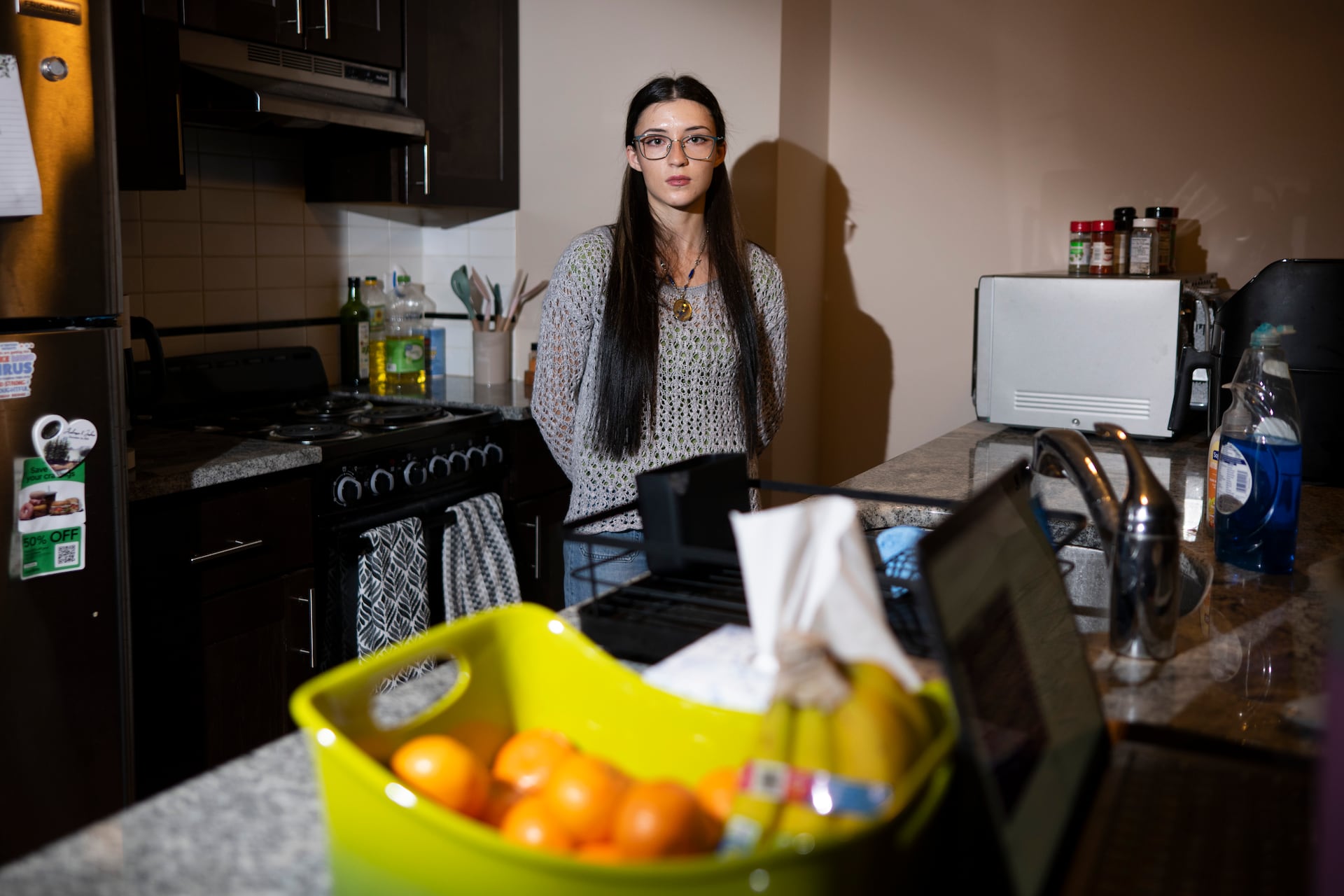
For many, like 22-year-old Temple University student Anfisa Blyumina, the sudden loss of SNAP benefits has raised fears about survival. Blyumina, who typically receives 0 per month, expressed shock and anxiety regarding the uncertainty of her ability to afford groceries. Similarly, 59-year-old Lisa Mellon, a former hairdresser living with a disability, described the severe implications of losing 8 in monthly assistance, as her family faced increasing food insecurity.
With the government shutdown concluded, officials have announced that SNAP benefits will be restored promptly. However, the psychological toll and ongoing challenges that families faced during this interruption may have lasting repercussions. The stories emerging from affected residents highlight the human cost of bureaucratic disruptions, revealing a community’s resilience amid fluctuating support systems.
Amidst the return of benefits, community organizations like the TCRC remain crucial in meeting immediate needs and fostering a sense of solidarity among those affected. As Philadelphians navigate the complexities of food assistance in uncertain times, the importance of local initiatives and support networks remains urgently apparent.