
SNAP Benefits Overview: Eligibility and Government Spending Explained in 5 Charts.
The Supplemental Nutrition Assistance Program (SNAP) has long served as a critical lifeline for low-income Americans, enabling them to purchase essential groceries. However, a recent disruption has cast uncertainty over its funding and administration. On November 1, 2025, the federal government ceased disbursement of funds to states for SNAP benefits due to a government shutdown, initiated a month prior. The Trump administration has attributed this unprecedented halt to the funding crisis, leading to multiple federal court orders aimed at resuming distributions of the approximately billion allocated monthly to states under the program.
In an attempt to alleviate the crisis, a federal judge mandated the immediate release of all SNAP funds due for November. The financial implications of the program are significant, but benefits can be modest. For instance, individuals living alone can qualify for a maximum benefit of 8 monthly, with many recipients receiving substantially less. Reports indicate that the average benefit stands at approximately .17 per day, a figure that is insufficient compared to estimates for maintaining a healthy diet in the United States.
The surge in participation in SNAP has been notable during periods of economic distress. For example, during the Great Recession, eligibility increased due to soaring unemployment rates, causing enrollment to peak in 2013 at roughly 15% of the U.S. population. Post-recovery, while participation has declined, recent events such as the COVID-19 pandemic have complicated the landscape, renewing increases in enrollment. Notably, approximately 43 million Americans received SNAP benefits at the peak of the pandemic in September 2020, a figure that the Biden administration has not exceeded since.
Notably, enrollment figures are not merely a reflection of economic conditions but also vary by state demographics and policies. States with high poverty rates tend to see higher SNAP enrollment, whereas others exhibit lower participation. Currently, nearly 60% of SNAP beneficiaries are children or seniors. Furthermore, less than 10% of those receiving benefits are able-bodied adults aged 19 to 49 without dependents, highlighting that a significant portion of participants are vulnerable populations.
Amid ongoing debates regarding SNAP’s efficacy and funding structure, its future remains uncertain. Recent legislative shifts have further complicated the situation, with state policies playing a critical role in determining eligibility and enrollment processes. As the program faces challenges amid the evolving political landscape, its effectiveness in combatting food insecurity will continue to be a focal point for policymakers and advocates alike.
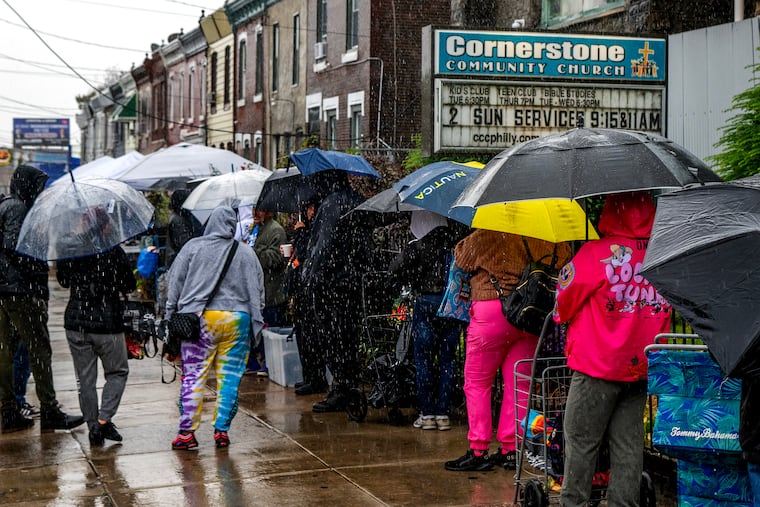
For those seeking assistance, resources are available across communities, providing meals and groceries. The importance of programs like SNAP cannot be overstated, serving as an essential support system for millions of Americans navigating economic hardships.
Media News Source


