St. John’s Baptist Church at 13th and Tasker to be transformed into apartments.
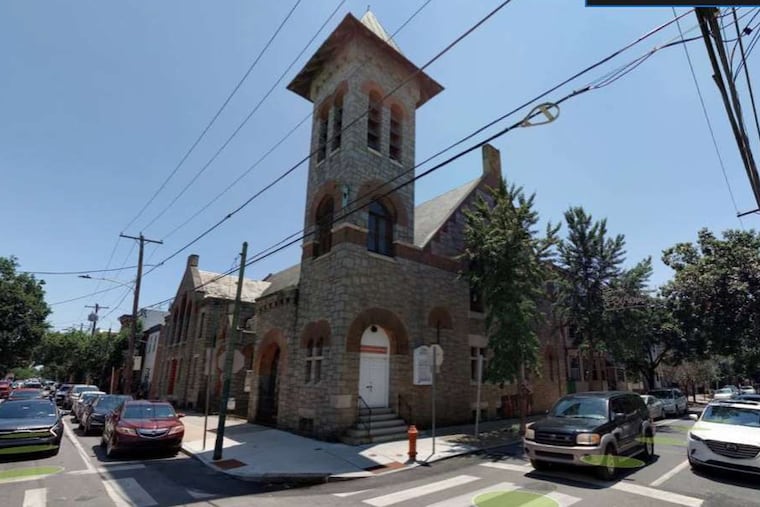
In a significant redevelopment initiative, the former St. John’s Baptist Church, located at the intersection of 13th and Tasker Streets, is set to be transformed into 26 rental units. This church, established in 1892, has been vacant for some time, and its repurposing aligns with recent legislative efforts aimed at preserving historic buildings in the city.
The redevelopment is made possible through a 2019 law implemented by the Philadelphia City Council, designed to facilitate the conversion of large historic structures, including churches, into residential or commercial spaces, regardless of current zoning classifications. This legislation was championed by Councilmember Mark Squilla and aims to promote adaptive reuse of significant properties while safeguarding their architectural heritage.
The developer, Annex Investments II, led by Drew Palmer, has contracted Toner Architects, a Philadelphia-based firm, to design the remodeling project. The location of St. John’s Baptist Church is noted for its proximity to the Miracle on 13th Street block and its zoning for single-family residential units, presenting unique challenges and opportunities for redevelopment.
In 2020, the church was officially listed on the local Register of Historic Places, a move facilitated by the Preservation Alliance of Greater Philadelphia, which recognized its historical significance. The redevelopment plans come in the wake of past controversies regarding the preservation of historic structures, notably highlighted by the St. Laurentius Church case in Fishtown, where legal battles delayed redevelopment efforts, eventually leading to the building’s deterioration and demolition.
This new legislation seeks to streamline the process of repurposing historically significant properties while minimizing the potential for legal hindrances. Paul Steinke, executive director of the Preservation Alliance, stated that these zoning changes are likely to enhance the number of adaptive reuse projects. They are expected to preserve valuable historical assets while revitalizing neighborhoods and contributing to local tax revenues.
Recently, the Architectural Committee conducted a preliminary review of the project, which advises the Historical Commission on proposed changes. The redevelopment plans include additional floors and large dormers to be added to the church, aimed at enhancing natural light in the future residences. However, the Architectural Committee raised concerns regarding these exterior alterations, particularly the scale of the dormers, recommending a more understated design approach.
While the committee did not make a final recommendation at this stage, members expressed appreciation for the intent to provide new life to the historic church. Palmer did not attend the meeting, and representatives from Toner Architects opted not to comment at this early phase of the development.
The transformation of St. John’s Baptist Church exemplifies a growing trend of adaptive reuse in urban environments, blending historical preservation with modern housing solutions, ultimately enriching the community fabric.