Starbucks to close six locations in Philadelphia due to various business factors.
In a significant restructuring initiative, Starbucks, the iconic Seattle-based coffee retailer, announced the immediate closure of numerous underperforming stores and the elimination of 900 corporate positions. This move comes in response to a sustained decline in sales at established locations, as the company has experienced a drop in same-store sales for six consecutive quarters. Consequently, Starbucks shares have seen a decline of approximately 12% over the past year, raising concerns about the company’s financial health.
The closures are part of Starbucks’ broader strategy to address ongoing challenges, including escalating labor costs and rising coffee prices exacerbated by external economic factors. The company has indicated that these decisions were made following a thorough evaluation of its operational performance, aiming to focus resources on locations with stronger growth potential.
Among the stores slated for closure in Philadelphia are prominent locations, including 1500 Market Street, 1709 Chestnut Street, 1128 Walnut Street, 1900 Market Street, 1801 Spruce Street, and 490 North Broad Street. Starbucks disclosed that it would conclude the fiscal year with approximately 18,300 stores across North America, a reduction from the 18,734 operational locations noted in June.
The selection of stores for closure was guided by a combination of financial performance evaluations and customer experience considerations. The company aims to align its physical environments with customer and employee expectations while ultimately enhancing overall profitability.
As part of the restructuring plan, Starbucks anticipates a total expenditure of billion. This figure encompasses 0 million allocated for employee separation benefits and 0 million tied to the costs associated with the store closures and lease terminations.
Despite the closures, Starbucks maintains a robust presence in Philadelphia, with more than 30 locations throughout the city, including kiosks in various venues such as grocery stores and universities. The chain’s operational footprint extends significantly into the nearby suburbs as well.
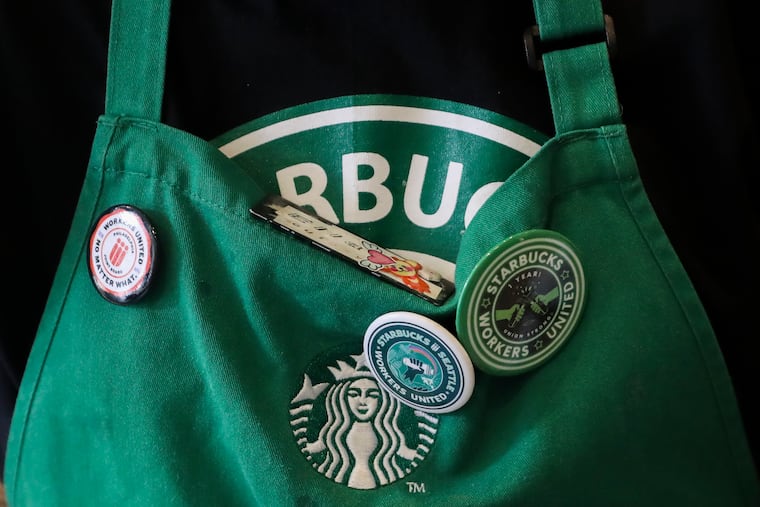
The announcement has prompted reactions from employees, particularly those affected by the layoffs. Union members gathered in protest to advocate for improved wages, staffing levels, and healthcare benefits, indicating their readiness to strike if necessary negotiations do not take place. Over recent years, efforts to enhance worker protections have led to the establishment of unions at various Starbucks locations, though disparities exist among stores in terms of union representation.
In summary, Starbucks’ recent decisions underscore the challenges faced by the company amidst a shifting retail landscape. The closures and corporate layoffs illustrate a strategic pivot aimed at restoring financial stability while preserving a significant presence in familiar markets.
Media News Source