
State allocates million for hospital-based anti-violence programs.
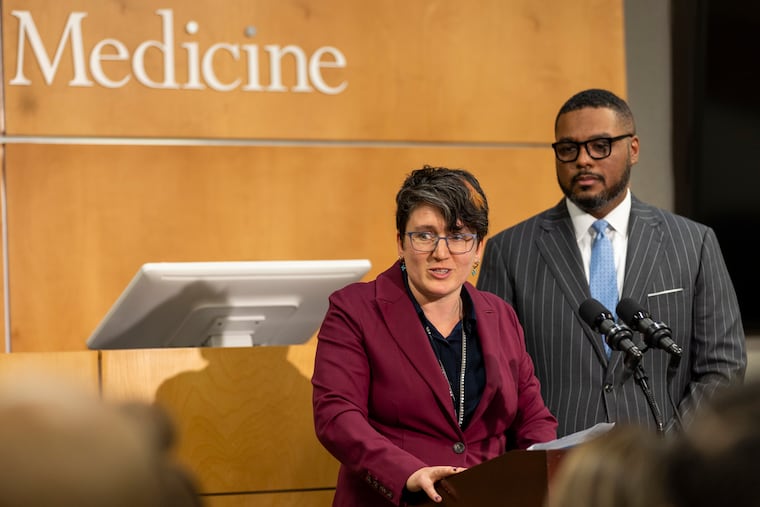
In a significant initiative aimed at mitigating gun violence and supporting injury prevention, the Commonwealth of Pennsylvania is allocating nearly million in new funding for hospital-based violence intervention programs (HVIP) across the Philadelphia area. The announcement was made by Lieutenant Governor Austin Davis during an event at Penn Presbyterian Medical Center. The funding is intended to address the critical issues surrounding gun violence, which remains a leading cause of death and injury in the region.
Among the facilities receiving this funding is the Penn Trauma Violence Recovery Program, which operates out of Penn Medicine in University City. This program is dedicated to connecting patients at high risk of experiencing repeat violence with resources and support while they receive treatment in hospital settings. Other funded recipients include Temple University Hospital in North Philadelphia and the Urban Affairs Coalition, which secured resources to revive a program initially housed at the now-closed Crozer-Chester Medical Center.
Despite receiving requests that total nearly million—four times the available amount—the Pennsylvania Commission on Crime and Delinquency approved funding for 15 applications, reflecting the pressing need for such interventions. The awarded amounts to each individual program were not disclosed.
The overarching goal of these HVIP initiatives is to create comprehensive safety plans for patients as they transition from hospital care back into their communities. These plans may encompass a variety of services such as long-term community-based case management, mentoring, and home visits, which are crucial in ensuring that individuals do not return to environments that perpetuate violence.
The introduction of HVIP programs has gained traction since the mid-1990s, with numerous establishments now offering these services not just locally but also across the country and internationally. In Philadelphia, ongoing efforts include collaborations among local institutions like Temple Health and Children’s Hospital of Philadelphia, which have launched a dedicated HVIP Collaborative in 2021.
Recent statistics indicate a decline in gun violence in the city, with approximately 15% fewer homicides reported this year compared to the previous year. Furthermore, data shows that around 80% of gunshot victims are surviving their injuries—a testament to the effectiveness of trauma care and interventions.
Funding will now enable programs like the Penn Trauma Violence Recovery Program to expand their community outreach and enhance mental health services. The program’s director, trauma surgeon Elinore Kaufman, emphasized the significance of addressing not only the physical injuries but also the underlying psychosocial factors that often contribute to violence. This multifaceted approach aims to provide education, job training, and housing assistance, thereby fostering long-term resilience among participants.
As Philadelphia continues to grapple with the complexities of gun violence, the new funding represents a proactive step toward healing and prevention, aiming to transform the lives of individuals and communities affected by violence.


