State House bills may enhance Governor Shapiro’s comprehensive housing plan.
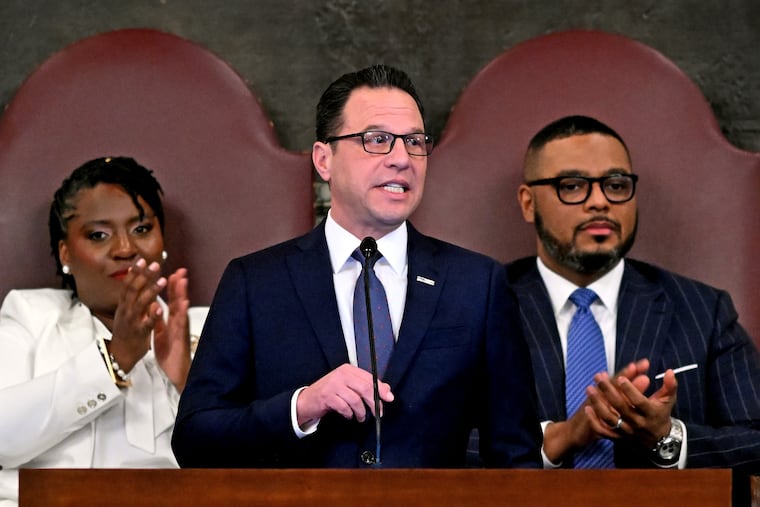
In a recent examination of the evolving housing landscape in Pennsylvania, notable developments have surfaced, particularly concerning the ambitious housing initiatives put forth by Philadelphia’s Mayor, Cherelle L. Parker, and Governor Josh Shapiro. During his budget address, Gov. Shapiro emphasized the formation of a billion-dollar state fund aimed at stimulating housing production across local communities. This proposal arrives amidst a growing bipartisan acknowledgment of the housing shortfall that plagues the state. However, industry experts have raised concerns regarding the efficacy of Shapiro’s approach, arguing that it lacks the robust regulatory frameworks necessary to truly enhance housing production.
Experts point to local zoning regulations as a significant impediment to new housing development in municipalities. Many towns maintain stringent rules that hinder diverse construction, thereby predominantly yielding high-end “McMansion” style homes. In areas allowing for new construction, the imbalance between supply and demand has resulted in exorbitant rental prices, exemplified by luxury units in Ardmore starting at approximately ,000 per month for a one-bedroom apartment.
The housing situation in Pennsylvania echoes longstanding debates in other states, such as California, where years of attempts to navigate regulatory hurdles have led to a cycle of revising legislation without substantive progress. Advocates in Pennsylvania are now promoting several initiatives to enact significant, meaningful changes without the gradualist approach that has led to stagnation in other states.
For instance, State Senator Sharif Street is championing legislation to align Pennsylvania’s stairwell construction regulations with international standards, which could streamline building processes and facilitate the use of unique land parcels. In a similar vein, State Representative Tarik Khan has proposed the “Golden Girls Law” to eliminate barriers that restrict unrelated women from living together. Furthermore, Representative Greg Scott has introduced a bill to abolish minimum parking requirements, while Representative John Inglis III is advocating for legislation to mandate the inclusion of duplexes and triplexes in zoning plans.
In a different vein, the Philadelphia School District has grappled with the challenge of admissions to its magnet schools in light of the cancellation of standardized testing during the pandemic. The district’s decision to implement a lottery system for admissions and give priority to certain zip codes has been met with criticism, particularly from Asian American families who argue that these changes disproportionately impact their access to these schools. A recent ruling by a bipartisan federal appeals court has underscored the contentious nature of these developments, bringing further scrutiny to the district’s admission processes.
Lastly, in the political realm, City Council member Jeffery “Jay” Young Jr. has faced significant backlash for his proposal to prohibit housing construction on the site of the former Hahnemann University Hospital. Although the proposal has been shelved, it highlighted broader concerns about Young’s other legislative efforts, some of which may inadvertently exacerbate urban blight or fail to effectively address community nuisances.
As stakeholders strive for solutions to these pressing issues, the interplay of legislation, community needs, and housing demands continues to be a critical focus in Pennsylvania. It remains evident that collaborative efforts and innovative approaches are necessary to pave the way towards a more equitable and sustainable housing future for all residents.
Media News Source