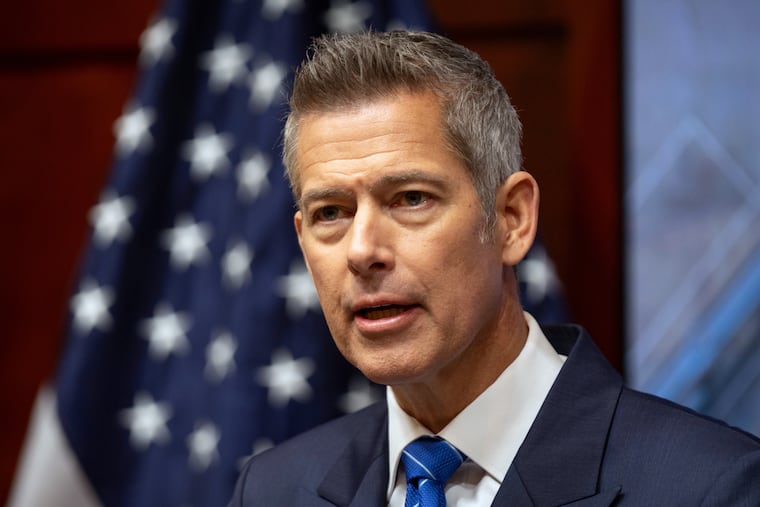
States file lawsuit against Trump administration for withholding billions in electric vehicle charging funds.
Sixteen states and the District of Columbia have filed a federal lawsuit against the Trump administration, contending that it has unlawfully withheld over billion in funding allocated for electric vehicle (EV) charging programs. This legal action, submitted in the U.S. District Court for the Western District of Washington, marks a continuing conflict concerning EV infrastructure funding that had been promised to states by Congress during the Biden administration.
According to officials from California, which is leading the lawsuit along with Colorado, the Trump administration’s refusal to disperse the funds poses a significant impediment to combating air pollution and climate change, stifles innovation, hampers the creation of green jobs, and deprives communities of access to clean transportation options. The lawsuit specifically targets the withholding of finances designated for two programs: the Charging and Fueling Infrastructure Grant program, which is earmarked for .8 billion, and approximately 0 million allocated for the Electric Vehicle Charger Reliability and Accessibility Accelerator.
This recent lawsuit is part of a broader series of legal disputes in which several states have sought to rectify funding issues related to the National Electric Vehicle Infrastructure program, which was intended to facilitate nationwide EV charging infrastructure expansion. After an earlier lawsuit filed in May successfully compelled the release of much of the funding earmarked for various states, this new legal challenge represents the latest attempt to secure crucial resources for EV development.
The Trump administration’s position on EVs has marked a stark departure from policies implemented during Biden’s tenure. The former president’s administration had previously mandated states to cease expenditures for EV charging infrastructure, a decision that is at the center of ongoing legal discussions. Furthermore, the Trump administration has been scrutinized for dismantling environmental regulations and programs developed under Biden that encouraged the use of cleaner vehicles, instead endorsing policies favorable to the oil and gas sector.
The growing regulatory changes and the recent decline in EV sales within the U.S. have raised concerns among manufacturers and consumers alike. According to industry data, the average transaction price for new EVs has reached ,638, significantly surpassing the overall average price for new vehicles of ,814. In response to shifting consumer preferences and economic conditions, automotive companies such as Ford and Honda have adjusted their electrification strategies, leaning towards more hybrid and fuel-efficient models.
As the lawsuit unfolds, it highlights the tensions between varying levels of government regarding the future of electric vehicles and underscores the challenges faced in building sustainable transportation infrastructure essential for addressing climate change.