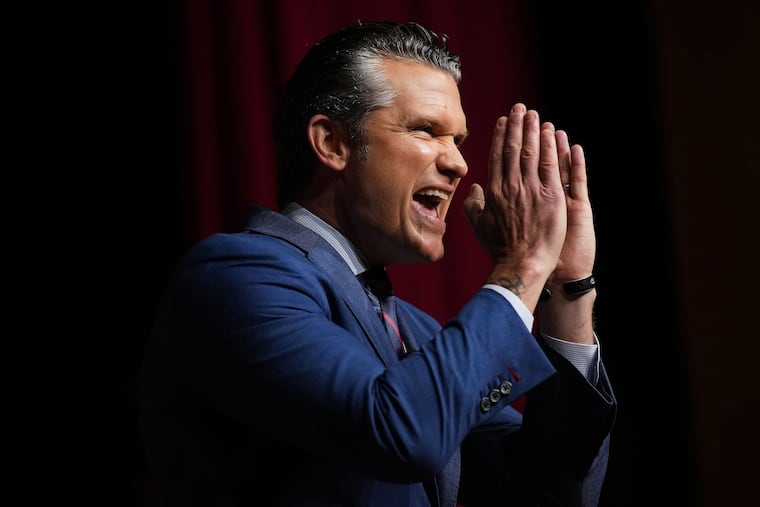
Study finds most professors in academia are not radicals, but rather focused on specialized knowledge and research.
In recent years, public trust in higher education institutions has been waning, with growing concerns about academia’s perceived ideological biases and shifting priorities. Many parents express reluctance to send their children to university, fearing they may be influenced by what some consider radical ideologies. Particularly alarming are incidents involving prominent academics who have made incendiary statements, further contributing to a negative perception of academia.
One such case involves a lecturer from UC Irvine, who raised eyebrows with remarks seemingly endorsing violence. The discourse online has fueled public anxiety, especially given the backdrop of broader societal tensions. Similarly, a professor from Cal State LA incited outrage by publicly identifying and calling for action against an ICE agent during a recent event, which was interpreted by many as a call for violence. These incidents exemplify why some feel academia is rife with extremists.
However, these alarming portrayals of academic behavior do not accurately reflect the majority of faculty members. Contrary to sensationalized views, most academics focus on their research and teaching, often dedicating themselves to specialized fields of study far removed from the political clashes dominating headlines. The notion that professors actively seek to indoctrinate students is overwhelmingly exaggerated. In fact, the majority are deeply engaged in enriching their disciplines and fostering critical thinking rather than promoting specific political agendas.
Research indicates that while a left-leaning bias exists among faculty, this does not ultimately shape the political ideologies of students in a significant way. Academic training encourages a culture of critical analysis and open debate, designed to challenge assertions on all sides. The rigors of academia demand nuance and a consideration of evidence, making dogmatic thinking less tenable among faculty.
While it is true that instances of extreme behavior can be found in any field, they represent a minority view amplified by modern communication channels. The reality within academia is a diverse array of perspectives focused on knowledge creation and dissemination. As universities make strides to address potential issues of bias and political activism within their ranks, the essence of academia as an engine for innovation and progress remains intact.
Ultimately, confidence in higher education is crucial, not only for the intellectual enrichment of society but for the broader advancement of science, technology, and cultural understanding. The decline of trust in academia poses risks far beyond the classroom, affecting collective progress and societal well-being. As the conversation surrounding academia evolves, it is essential to remain vigilant against falling into the traps of stereotype and sensationalism, focusing instead on the vast majority of scholars committed to the pursuit of knowledge.
Media News Source