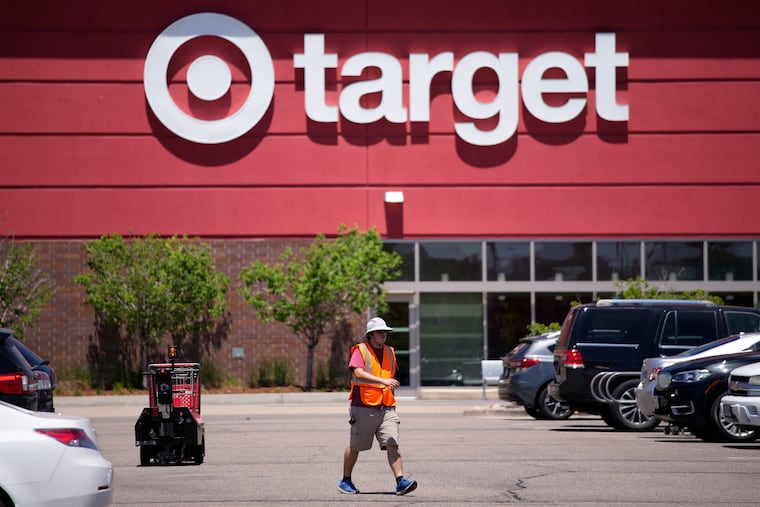
Target launches grocery revamp focused on trendy snacks and beverages to attract shoppers.
In an ambitious move to reshape its grocery identity, Target Corp. is leaning toward a more upscale and trendy approach, marking a significant shift from its past discount-driven model. This transformation aligns with a broader strategy to enhance the shopping experience and rejuvenate the brand amidst a backdrop of stagnant sales.
Since spring, Target has been aggressively remodeling its grocery aisles, aiming to expand these sections by over 20% in nearly 150 existing stores and by more than 50% in 300 new locations. The initiative underscores the retailer’s desire to rekindle the success it enjoyed in the early 2000s with stylish apparel and home goods, this time translating that success into the food sector. The new grocery layout emphasizes fresh produce and niche products that appeal to modern consumer preferences while scaling back on less popular pantry staples.
However, this strategy stands in stark contrast to the tactical approaches adopted by rivals in the trillion U.S. grocery industry, where giants like Walmart and Kroger are slashing prices to attract inflation-weary consumers. Target, with a relatively small market share, faces mounting pressure to optimize its product offerings and pricing strategy to avoid losing ground in this fiercely competitive sector.
At a Target store in West Hollywood, shoppers can find innovative items such as collagen-infused drinks, gluten-free cereals, and trending snacks from celebrity endorsements. Despite these changes, customer feedback suggests that many consumers view grocery shopping at Target as secondary, often opting for more established grocery chains for their primary shopping needs.
Target envisions its grocery department as a critical area for growth, projecting that these overhauls could generate over billion in additional revenue in the coming years. This growth ambition is especially pertinent as the company grapples with declining revenue, attributed to a mismatch between product assortment and consumer interest, and a commitment from the new CEO, Michael Fiddelke, to revamp the store experience and product range.
Although Target’s grocery sales are currently weaker than those of rivals, more than half of its customers do purchase groceries during their visits. The company has introduced around 4,600 new food items this year, significantly expanding its Asian food offerings and aiming to attract discerning shoppers.
While the retailer seeks to carve out a niche in gourmet and trendy grocery items, it faces stiff competition from larger players who leverage price advantages. The final shift in Target’s grocery strategy will depend on whether it can create an appealing shopping ecosystem that fosters brand loyalty and frequent visits from consumers, especially amidst rising inflationary pressures affecting food prices nationwide.