Tariff refunds from overseas purchases are now being issued to shippers.
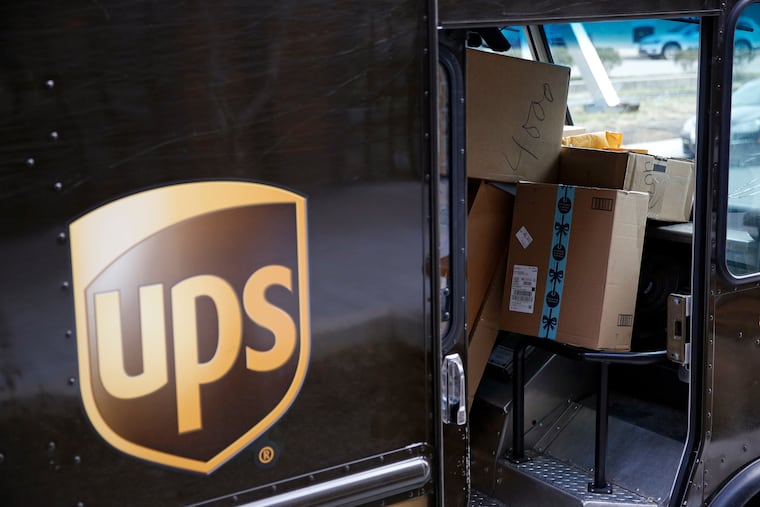
In recent months, a significant financial development has emerged for American consumers who purchased goods from overseas vendors. Major shipping companies, acting as customs brokers, have initiated the process of refunding tariffs that were collected as part of imported shipments. Notable shippers such as FedEx and UPS have begun returning these funds to customers who initially paid the tariffs.
The refunds process traces back to February when the U.S. Supreme Court ruled against sweeping tariffs that had been imposed by the previous administration. These tariffs, established under the International Emergency Economic Powers Act, affected a broad range of imports, and the ruling mandated that the government return the tariffs collected.
To date, around 0 billion in tariffs has been refunded to businesses under a system organized by U.S. Customs and Border Protection. However, consumers are not expected to recover all the tariffs they paid, as many of these costs were absorbed indirectly through product pricing. For instance, according to the Tax Foundation, the tariffs amounted to a taxable increase of approximately ,000 per household in 2025.
The refund process is happening in phases, with shippers like FedEx and UPS returning funds to customers based on when tariffs were paid. The refunds will be issued directly to credit cards or bank accounts without the need for consumers to apply. FedEx has announced it is processing an approximate 0 million in refunds while encouraging customers to track their eligibility through an online portal. Similarly, UPS has initiated claims for government refunds, with expectations that customers could receive their refunds one to three months after reimbursement is secured from the Treasury.
However, not all retailers will provide direct refunds to consumers. Many large retailers, including Amazon, have indicated that they may use any tariff refunds received to adjust product pricing rather than returning funds directly to customers. Amazon, for instance, reported receiving 0 million in tariff refunds and stated that while direct refunds may occur in select circumstances, the broader benefit will manifest as lower prices for consumers.
Amid this backdrop, a wave of class-action lawsuits has emerged, with consumers seeking to reclaim the costs associated with rising prices attributed to tariffs. More than 80 lawsuits have been filed against major retailers, but legal experts caution that establishing a direct link between price increases and the tariffs will be challenging. Plaintiffs will need to demonstrate that specific costs were a direct result of tariff implementations rather than being influenced by other market dynamics.
As this situation unfolds, consumers are encouraged to monitor their financial accounts and to be informed about the evolving landscape of tariff refunds, particularly as shippers work to reconcile the financial implications of these recent regulatory changes.