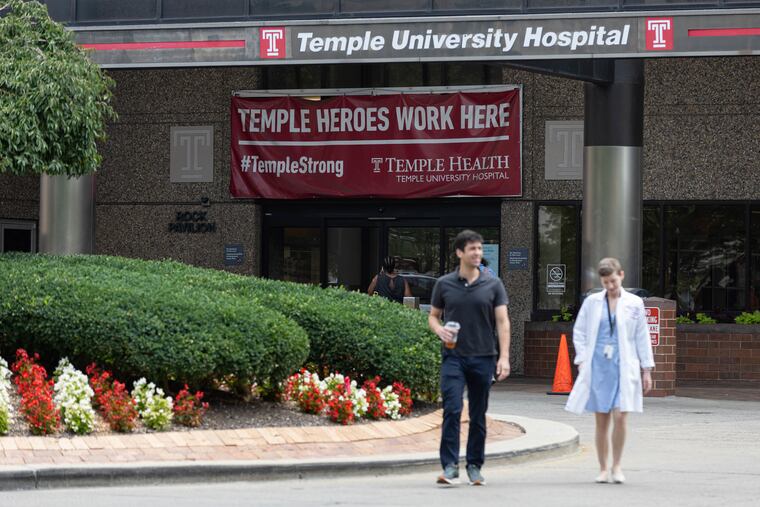
Temple Health announces million operating loss for the first quarter of fiscal 2026.
Temple University Health System has reported a million operating loss for the three-month period that concluded on September 30, marking a modest recovery from a substantial loss of million recorded during the same period last year. This report pertains to the first quarter of fiscal year 2026 and indicates a trend towards financial improvement for the North Philadelphia-based nonprofit organization.
In statements regarding this financial outcome, CEO Mike Young expressed satisfaction with the health system’s current position, highlighting that revenues surpassed budget expectations, and labor costs were managed within budgetary parameters for the first time in several years. This progress may reflect broader strategic efforts to improve financial performance amid ongoing challenges in the healthcare sector.
The total revenue for Temple University Health System reached approximately 0 million, which represents a 13% increase compared to the 2.5 million generated in the prior year. A significant contributor to this revenue growth was the outpatient segment, which saw an increase of nearly million. This uptick was largely attributed to the successful expansion of the health system’s specialty and retail pharmacy operations. Temple University Health System is a participant in a federal program designed for safety-net hospitals, allowing it to purchase specific medications at discounted rates and subsequently receive full reimbursement from insurance providers.
Despite the positive revenue growth, expenses have also risen. The organization noted in its recent report submitted to municipal bond investors that salary increases, particularly those related to nursing staff, contributed to rising costs. Additionally, higher expenditure for outpatient drug infusions and pharmacy operations was reported as a significant factor in the escalating expenses.
On the labor front, CEO Young acknowledged persistent challenges in filling certain key positions within the organization. Among these hard-to-fill job categories are CT technicians, nurse anesthetists, and laboratory technicians. However, Young noted that the overall labor situation had improved compared to three years ago when recruitment was exceedingly difficult across various specialties.
The financial and operational developments at Temple University Health System reflect a complex landscape in healthcare management, characterized by both opportunities for revenue enhancement and ongoing challenges related to workforce staffing. As the organization moves forward, it will need to balance these dynamics to ensure sustainable growth and quality patient care in a competitive environment.
Media News Source.