
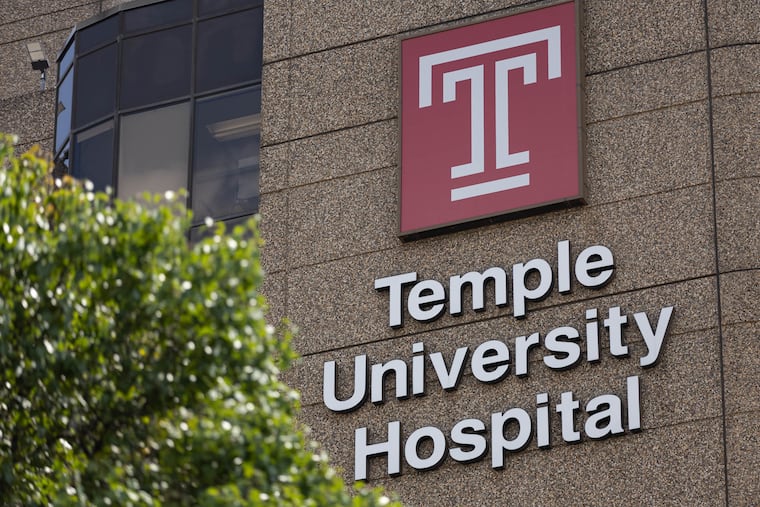
Temple Health reports over billion in annual revenue and achieves an operating profit of million.
Temple University Health System has reported a significant increase in financial performance for the fiscal year ending June 30, achieving revenues exceeding billion and operating profits of million. This marks a substantial turnaround from the prior year, where the system reported a modest profit of 3,000, as detailed in an investor report released on Friday.
The North Philadelphia-based nonprofit attributed its improved profitability to strategic initiatives aimed at enhancing operational efficiency. Chief Financial Officer Jerry Oetzel emphasized the system’s successful efforts in reducing supply chain costs and minimizing reliance on high-cost agency staffing solutions. Additionally, Temple Health experienced better-than-anticipated payment rate increases from government payers, further bolstering its financial standing.
In examining the financial results for fiscal 2025, Temple University Health System reported total revenue of .3 billion, representing a 15% increase compared to fiscal 2024. A significant portion of this revenue growth—over 80%—was generated from outpatient services. The expansion of Temple’s pharmacy business played a critical role in this segment’s success. The organization also noted heightened revenue from inpatient care, particularly for patients suffering from severe medical conditions and those undergoing organ transplants.
On the expense side, the health system faced a substantial increase of .3 million, or 55%, in insurance costs, primarily driven by medical malpractice losses. Furthermore, Temple is currently negotiating a new union contract for its nursing staff, which has resulted in higher pay rates for nurses—a critical factor for the organization given the ongoing nationwide nursing shortage.
Looking forward, Temple University Health System anticipates a potential annual loss ranging between million to million due to forthcoming changes to Medicaid legislation, specifically adjustments related to federal law enacted in July under the Trump administration.
On a positive note, Temple’s cash reserves saw an increase to billion as of June 30, a rise from 3.9 million the previous year. However, despite this growth in reserves, the number of days of cash on hand decreased from 124 to 116 days, reflecting the impact of rising operational expenses.
As Temple University Health System continues to navigate the complexities of healthcare finance, its recent results underscore both the challenges and successes it faces in maintaining financial stability within a dynamic healthcare environment.


