Temple University police conduct training on swatting incidents after multiple fake calls reported at colleges this year.
In recent weeks, Temple University has increased its vigilance following a series of fake threat calls targeting several historically Black colleges and universities (HBCUs) across the nation. These incidents are part of a troubling trend of swatting—false reports designed to provoke a heavy police response—widespread since the start of the academic year.
The Temple University Police Department has been actively monitoring such incidents, particularly after a high-profile swatting event at Villanova University. Earlier this month, Villanova experienced a false report of an active shooter that caused significant disruption for approximately 90 minutes, including the interruption of a freshman orientation Mass. In response, Temple University is taking proactive measures to ensure the safety of its campus community.
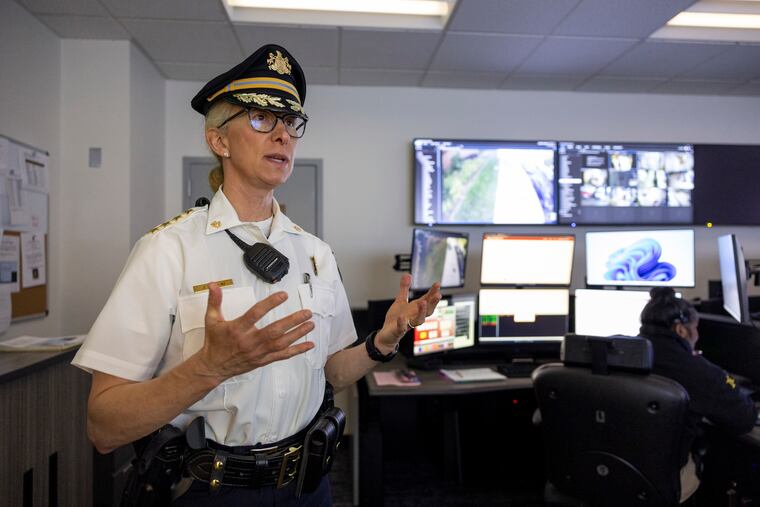
Officials at Temple have implemented in-house training for their staff, which includes dispatchers, police officers, and administrative personnel. This training focuses on identifying signs that may indicate a false call, according to Jennifer Griffin, the university’s vice president for public safety. Although the department emphasizes the necessity of treating every emergency call as genuine until proven otherwise, they are now equipped with better knowledge to discern potential hoaxes.
Griffin has conducted over two dozen safety presentations since the beginning of the school year, all of which have included discussions on swatting. These presentations aim to empower staff and students with the necessary information to respond effectively in the face of such threats. The message conveyed to the community emphasizes preparedness and the importance of familiarity with emergency protocols.
As of last week, reports indicate that approximately 50 college campuses have been targeted by similar swatting incidents, as documented by the Associated Press. In light of this troubling trend, the U.S. Department of Education has issued guidelines to assist educational institutions in recognizing fake calls. These guidelines include specific questions to pose during such communications to uncover inconsistencies.
Many universities, including Drexel University, have also engaged in training regarding hoaxes and swatting incidents, with participation from the FBI. Temple’s police communications team is equipped with advanced surveillance capabilities, including access to over 1,500 cameras throughout the campus. This enables them to respond quickly to any suspicious activity reported.
Staff members have been trained to identify key signs that may indicate a hoax, such as calls originating from disguised numbers or a lack of corroboration from multiple callers. For example, the experience of a lone caller reporting an active shooter event raises significant doubts about the credibility of the threat. Understanding the context in which these calls are made remains a crucial component in preparing for potential emergencies.
The university has communicated extensively with faculty, staff, and students to foster a collective awareness of the threats posed by swatting and the importance of adhering to established safety protocols. As these events continue to unfold, institutions like Temple University are stepping up their efforts to mitigate risks and ensure the well-being of their communities, reflecting a broader need for vigilance in educational environments amid rising false emergency reports.