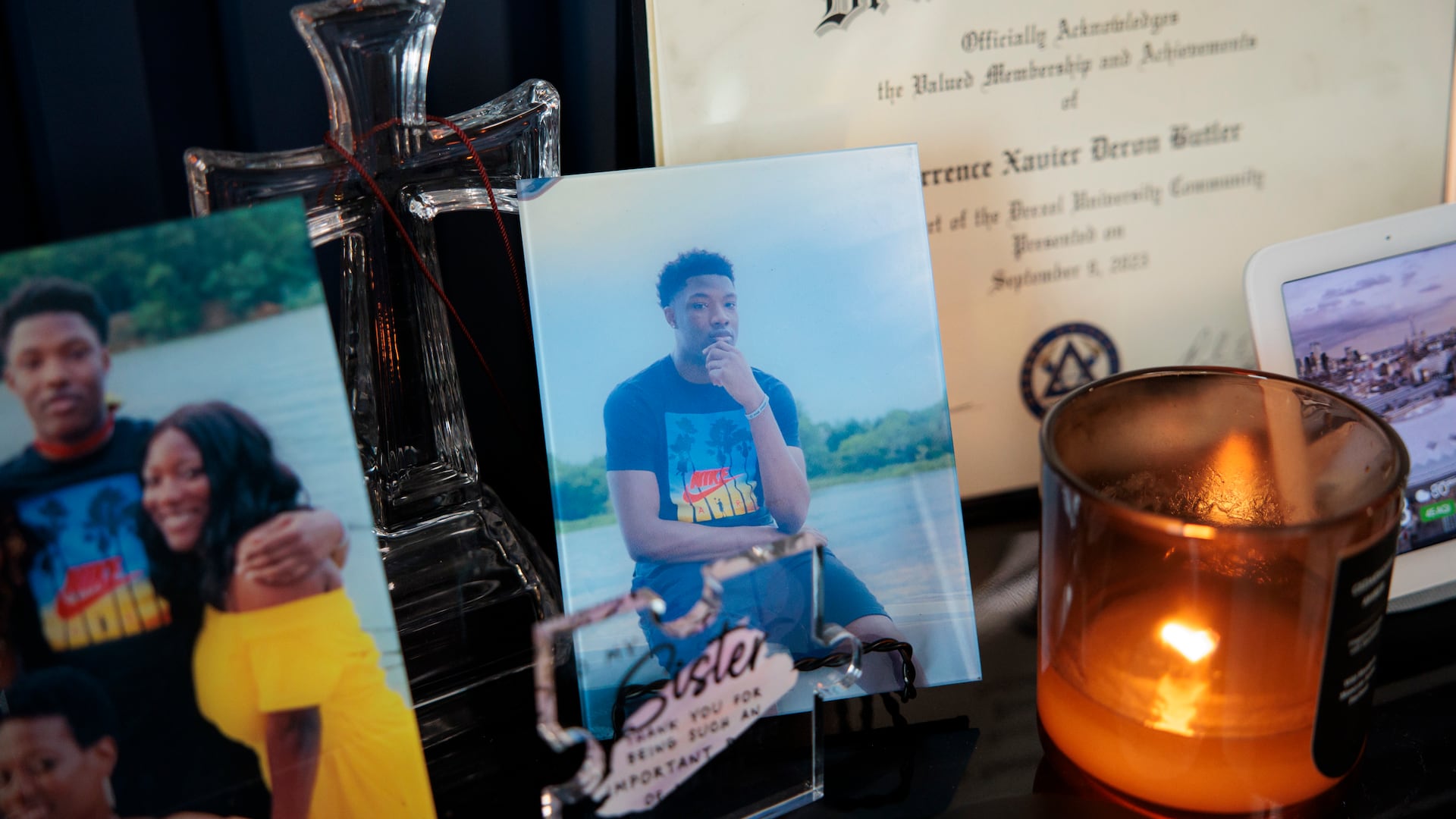
Terrence Butler of Drexel University passed away two years ago, leaving friends and family seeking answers about the circumstances of his death.
The Tragic Death of Terrence Butler: A Young Life Cut Short and the Struggle for Understanding
BRANDYWINE, Md. — On July 29, 2023, Terrence Butler, a promising 21-year-old student and athlete at Drexel University, spent what would be his final hours in the comfort of his mother’s home. He had recently returned from school, traveling 150 miles by Amtrak to avoid drawing attention to himself during a family gathering that night, one which he chose not to attend.
Terrence’s demeanor during this visit raised concerns for his family. His mother, Dena Butler, recalled the peculiarity of his silence and introspection as he engaged with family members, notably preferring to stay distant while he occupied himself with a notebook and pen. Unfortunately, there were no visible signs to indicate the internal struggles he would face just a few days later.
He had always been a source of pride to his family, having distinguished himself in academics and athletics at Bishop McNamara High School, and he enrolled at Drexel with aspirations of pursuing a degree in engineering. However, injuries plagued his basketball career, hindering what had also been a promising athletic path. He played a mere eight games in two seasons before the injuries forced him into a supportive role rather than an active player.
On the morning of August 2, 2023, Terrence missed a team breakfast at Drexel. Initial concerns were brushed aside, but those musings soon turned to alarm as teammates expressed their apprehensions over his absence. What transpired next marked a devastating turning point for his family and friends. A wellness check conducted at his apartment revealed the unimaginable: Terrence chose to end his life.
The circumstances surrounding his death left many questions unaddressed. There were declarations from public health officials confirming it as a suicide, which intensified discussions about mental health, particularly in the realms of sports and academia where expectations run high. The data on suicide rates – which indicate that men, particularly young Black men, are increasingly at risk – highlight a growing concern in the community.
In the aftermath, Dena, Tiara, and Tasia Butler grappled with their grief and a myriad of unanswered questions, seeking understanding in a tragedy that was seemingly devoid of signs. The reality was that while Terrence portrayed an image of success externally, internally, he battled with a depth of pain, one that was painfully hidden from those around him.
As loved ones sought to retrieve his belongings, they uncovered a notebook labeled “My Brain,” among his effects. Within its pages lay an urgent plea, “I’m sorry. I really tried,” contrasting sharply against the multitude of blank pages that followed. This stark juxtaposition laid bare the suffocating silence that shrouded his struggles, encapsulating the complexities of mental health.
Terrence Butler’s story is not merely a personal tragedy but a reflection of a larger societal issue. It underscores the urgent need for open discussions surrounding mental health, the pressures faced by young athletes, and the stigma that often surrounds seeking help. As communities rally for change, his tragic passing serves as a stark reminder of the need for vigilance, compassion, and understanding.
The conundrum of Terrence’s decision continues to resonate deeply, raising critical dialogue about the importance of fostering environments where individuals, particularly young men, feel safe expressing their vulnerabilities and seeking the help they need.