The Arab Spring: Assessing Its Impact and Outcomes Over Time
The Arab Spring, often seen as a brief moment of revolutionary fervor that gave way to disillusionment, deserves a more nuanced interpretation. This complex series of uprisings transformed political consciousness across the Arab world, establishing a legacy of resilience and collective action that continues to inform contemporary struggles. Rather than merely a failed movement, the Arab Spring can be viewed as a catalyst for ongoing fights against injustice and the pursuit of greater dignity and democracy.
The Arab Spring has frequently been characterized as a failure, often dismissed as a fleeting moment of idealism that swiftly devolved into chaos and authoritarianism. This perspective overlooks the profound and lasting transformations that arose from the uprisings, which began on December 17, 2010, with the self-immolation of Mohamed Bouazizi in Tunisia. While his act was a reaction to oppression, it also signified a profound moral rupture against a backdrop of humiliation and authoritarian rule, triggering a wave of movements across the region.
Rather than viewing the Arab Spring solely as a setback, it should be recognized as a transformation of political consciousness that has reshaped how people perceive their rights and roles as citizens. The uprisings went beyond mere protests; they marked a collective awakening to dignity, belonging, and the rejection of oppressive governance. Even in instances where certain regimes retained power, the cultural shift experienced during those years cultivated a renewed understanding of citizenship and legitimacy that persists today.
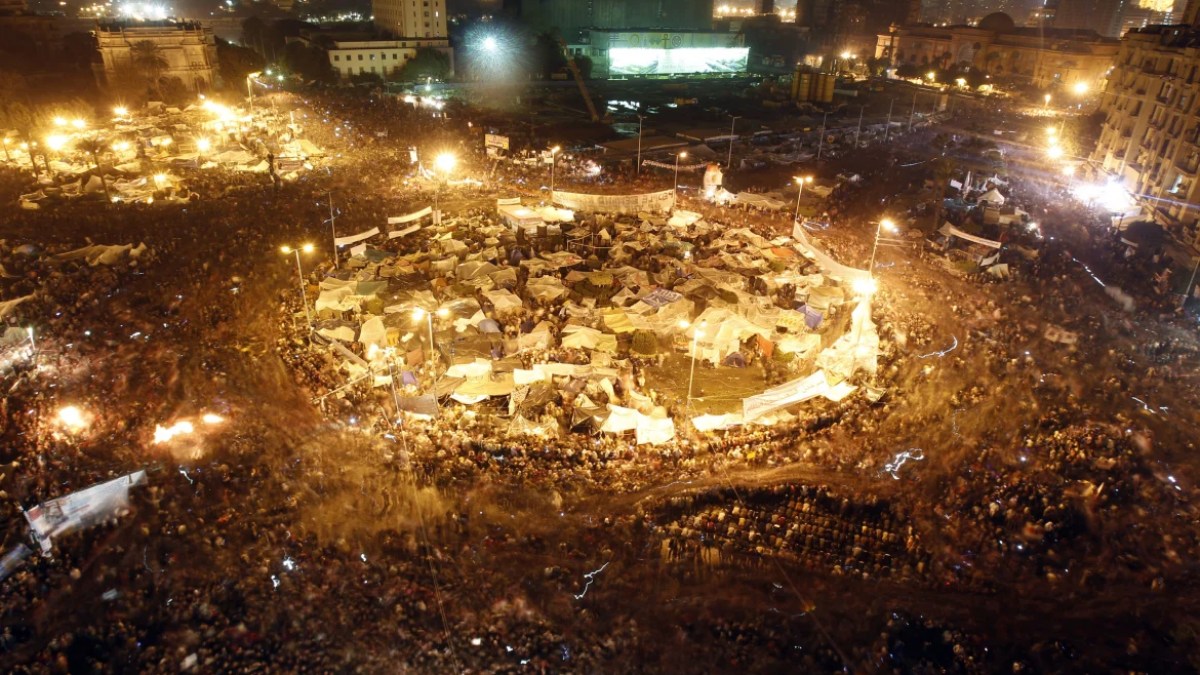
These movements were not isolated but interconnected events fueled by a collective emotional and political narrative. Citizens from Tunisia to Egypt and Yemen to Libya rallied for change, asserting their identities and demanding recognition as political beings. The uprisings animated public spaces, transforming streets and squares into arenas for active participation and engagement. In these venues like Cairo’s Tahrir Square, ordinary citizens organized discussions, provided security, and cleaned their surroundings, turning these locations into schools of democracy.
The significance of these uprisings is highlighted by their impact on urban life, illustrating how cities serve as focal points for social interaction and collective action. While revolts often ignite in marginalized areas, their sustainability hinges on the dynamics within urban centers, where citizens face institutional power directly. Cities cultivate rich networks of cooperation and solidarity that allow for sustained movements and resistance against oppression.
However, the response from authoritarian regimes was swift and harsh, with many reacting violently to restore control. Yet, the legacy of the Arab Spring remains influential. The collective acts of defiance during this period challenged not just the individuals in power but the very symbols of repression. They dismantled the emotional architecture of fear, demonstrating to citizens that authority can be confronted and questioned, a realization that endures even in the face of repression.
Thus, the Arab Spring should not be relegated to the annals of history as a cautionary tale. Instead, it has given rise to a pedagogy of freedom. This ongoing learning process, cultivated through public actions and communal reflections, has fostered a culture of agency, resistance, and responsibility that continues to resonate with younger generations across the region. As issues of social justice and environmental sustainability come to the forefront, the shadows of the Arab Spring linger, inspiring new movements and activists who embody a fierce refusal of fatalism.
Ultimately, the Arab Spring did not fail; it evolved. The initial sparks of defiance have transformed into enduring struggles that challenge the status quo, illustrating that the quest for dignity and justice is very much alive. Bouazizi’s legacy lives on, reminding the world of the powerful potential for change that resides even within the most marginalized communities.
#CultureNews #PoliticsNews