
Thousands of SNAP recipients in Pennsylvania are beginning to lose their benefits.
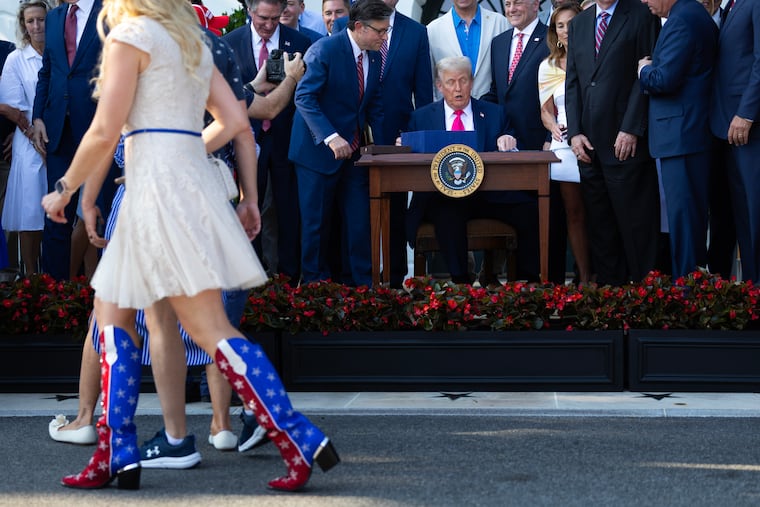
Beginning in January 2024, over 4 million Supplemental Nutrition Assistance Program (SNAP) recipients across the United States—with approximately 1 million children—have commenced losing benefits due to newly implemented regulations stemming from the Trump administration’s One Big, Beautiful Bill Act. This legislation, signed into law on July 4, has sparked significant changes to the program that have begun to affect low-income families and individuals nationwide.
In Pennsylvania, roughly 144,000 out of nearly 2 million SNAP recipients are experiencing reductions or complete loss of benefits, as indicated by figures from the state Department of Human Services (DHS). The impact is particularly pronounced in Philadelphia, where approximately 45,000 residents are affected, making it the county with the highest number of individuals losing assistance within the state.
The regional figures reveal that other counties such as Bucks County, Chester County, Delaware County, and Montgomery County are also experiencing notable declines in SNAP support. Specifically, around 3,300 individuals in Bucks County, 1,000 in Chester County, 5,700 in Delaware County, and 2,300 in Montgomery County will see changes in their benefits.
Experts in the field of public assistance have noted the severe implications of these reductions. Lydia Gottesfeld from Community Legal Services in Philadelphia has highlighted the urgent impact of these changes on the state’s populace. In addition, Katie Bergh, a senior policy analyst at the Center on Budget and Policy Priorities, has indicated that the total number of individuals losing benefits is expected to rise throughout 2024.
The modifications to SNAP are attributed to the reinstatement of work requirements for childless adults under the age of 54, which had been exempted for many years due to persistent poverty and limited employment opportunities in regions like Philadelphia. Under the new policy, these individuals are only exempt from work requirements in areas where the unemployment rate exceeds 10%. Currently, the unemployment rate in Philadelphia stands at 4.8%, with surrounding regions reporting similar low figures.
Further, the One Big, Beautiful Bill Act has adjusted age-related work requirements for recipients. Previously, individuals aged 55 and older were exempt from such regulations. Under the new guidelines, this exemption now applies only until recipients reach age 64. The law has also narrowed exemptions for parents: previously, adults with children aged 18 and under could avoid work requirements, but this now applies only to those with children under 14.
Beginning in March 2024, additional groups—including veterans, homeless individuals, and those aging out of foster care—will also face these work requirements, resulting in potentially widespread loss of benefits as they will no longer be exempt. The Food Research and Action Council has cautioned that tracking the spectrum of individuals affected has become challenging amidst these sweeping changes.
As the implementation of these new rules continues, experts caution about the complications arising from the numerous changes, emphasizing the need for a clear understanding of who is being impacted as states adapt to the revised SNAP framework. The long-term repercussions for vulnerable populations remain to be seen as the year unfolds.
Media News Source.


