Timing is Key: A Look at Historical Innovations to SEPTA’s Festibuses
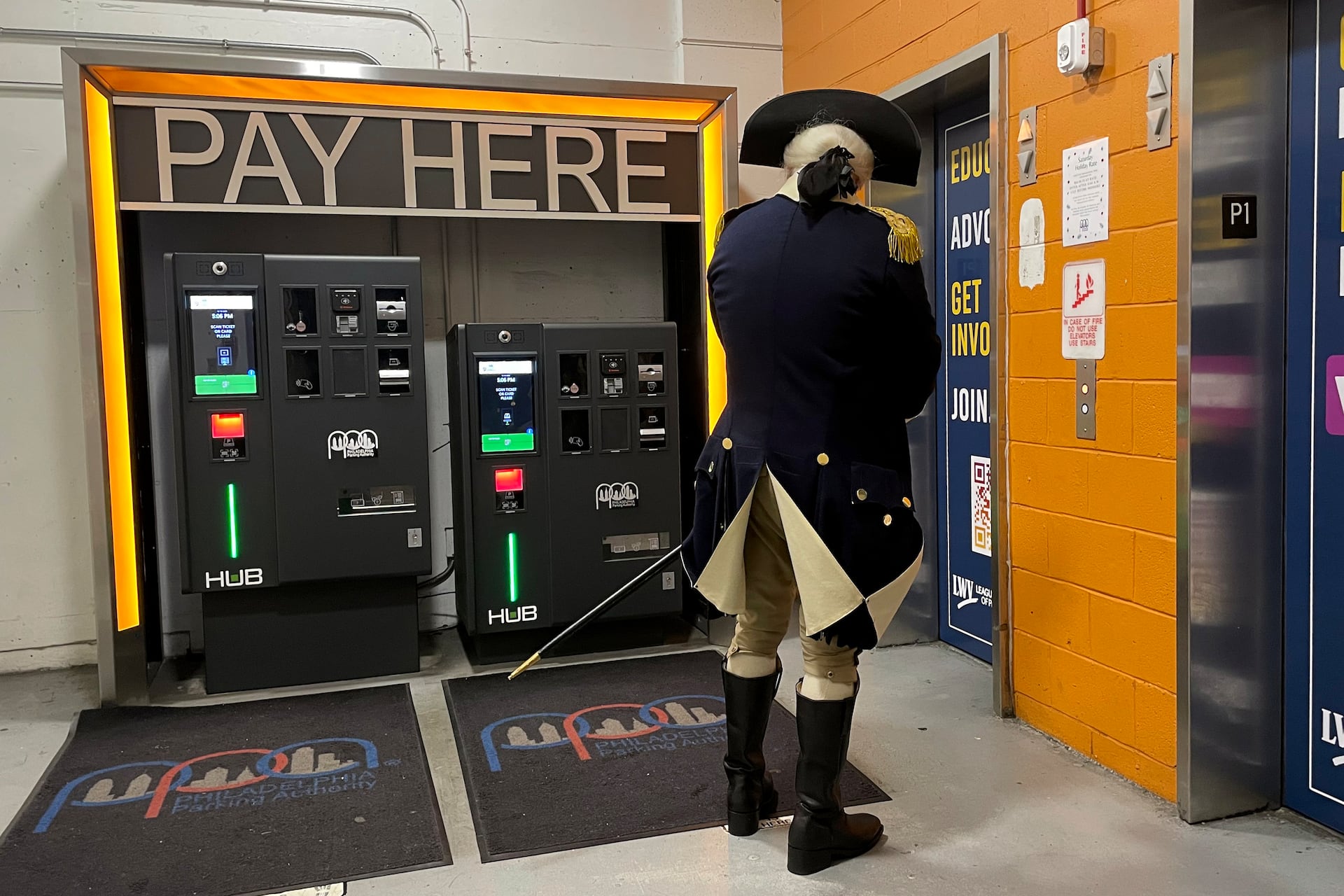
In the realm of photography, the significance of timing is abundantly clear. The narrative surrounding missed opportunities reveals the delicate dance between chance and skill that defines the profession. A recent experience encapsulates this notion perfectly. On a routine assignment, the photographer found himself just moments behind the renowned General Washington, capturing the essence of historical moments that coincided with his own professional challenges.
Arriving at the elevators mere seconds after the general, the photographer was starkly reminded of the adage that underscores the art of photography: it is not solely about technical precision, but rather about being present in the moment. This concept, often articulated by legendary figures in the field, resonates deeply with those who understand the art’s complexities. The phrase “f/8 and be there,” commonly associated with the legendary photographer Arthur Fellig, known as Weegee, reflects this ethos. Fellig, an emblematic figure of the 1930s and 1940s New York crime scene photography, thrived on his ability to arrive first on the scene, enabling him to capture fleeting moments before his competitors.
In a more recent endeavor, the photographer immersed himself in the vibrant atmosphere of Center City, where family outings coincided with the bustling Christmas Village in LOVE Park. During this festive occasion, he encountered the engaging Festibus competition. Hosted by SEPTA employees, this event showcased uniquely decorated buses, inviting public participation in selecting their favorites. An impromptu photograph capturing employees in character costumes turned into a more significant moment as the photographer lingered, documenting interactions and the lively spirit surrounding the event.
Yet, the unpredictable nature of photography surfaced again during a separate assignment while covering a local event marking the Semiquincentennial. As he departed from the site, a sudden column of smoke caught his attention, revealing a fire nearby. His timely arrival allowed him to document firefighters in action, noting the tragic loss of life that accompanied the incident.
These experiences collectively underscore the intricate tapestry woven by the unexpected nature of storytelling through photography. Whether capturing the vibrant rhythms of community celebrations or the somber realities of emergency situations, the importance of being in the right place at the right time remains irrefutable. Such moments serve as potent reminders of the photographer’s role in shaping narratives, one captured image at a time.
In summary, the essence of photography transcends mere technicality, emphasizing the intrinsic value of presence and serendipity. Through these chronicles, it becomes evident that every photograph is not just a still image, but rather a narrative thread in the ongoing story of life and history.
Media News Source