Top Philadelphia restaurants enlist designer for menu creation.
In the heart of Old City, Almanac, a Japanese American cocktail bar, stands out not only for its eclectic beverage offerings but also for its meticulously crafted menu, designed by artist and designer Kylie Silvestri. The menu is more than a list of drinks; it is a carefully curated work of art that marries function with aesthetic appeal, reflecting the bar’s ethos and ambiance.
The deep green leather-bound cover of the menu is thoughtfully chosen to evoke the sophisticated interior of the bar, while the gold-edged pages hint at the seasonal ingredients used in each cocktail. The use of thin newsprint for the inside pages, which feature illustrations of glassware, is reminiscent of an antique book, further enhancing the experience of perusing the offerings. Silvestri’s artistic approach to menu design aims to craft a tactile and visual narrative that engages customers from the moment they sit down.
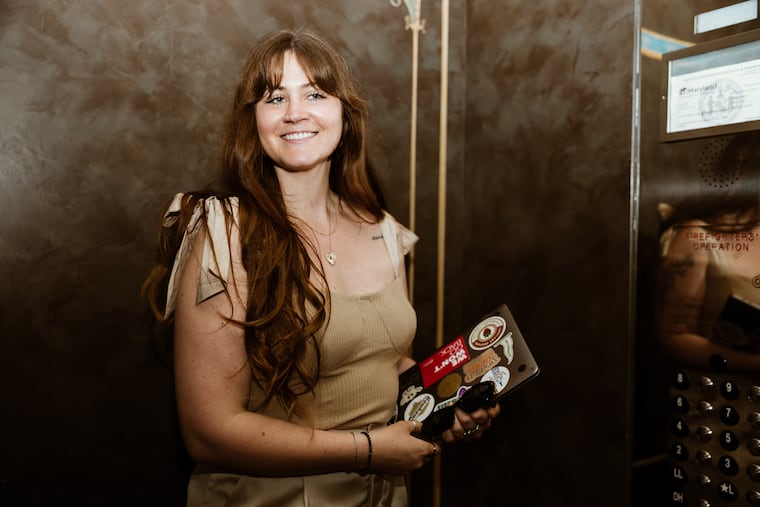
Silvestri, founder of the branding company Haridelle, has developed menus for some of Philadelphia’s trendiest establishments, including Javelin, Little Water, and River Twice. This emphasis on thoughtful design is a cornerstone of her work, as she believes that menus play a critical role in setting the stage for the dining experience. Each menu serves not only as a guide to food and drink but also as a storytelling medium that conveys the restaurant’s unique philosophy and style.
Her background in freelancing was pivotal in her decision to focus on the hospitality industry after building a solid foundation in branding for women-owned enterprises in the wellness sector. As she gained experience and forged connections within the restaurant community, her work evolved into a specialization that aligned with her passion for culinary arts and design.
Designing a menu is a multi-step process that can take up to a month. It begins with understanding the owner’s vision, followed by the development of a layout that incorporates brand elements and the physical space’s aesthetic. Silvestri often finds herself inspired by local cafes, where she drafts the menus using graphic design software. Collaboration with restaurant owners is crucial, as their feedback on materials and designs ensures the final product aligns with their brand message.
Menus are not static; they are dynamic representations of a restaurant’s identity. For Little Water, the design reflects the coastal theme of the menu items and captures the whimsical nature of its owners. Similarly, the menu for Sao pays homage to the owner’s family legacy through its nostalgic design elements. In this way, Silvestri breathes life into each menu, making them time capsules of culinary expression and cultural significance.
As Philadelphia’s food scene continues to evolve, particularly with a growing emphasis on chef-owned establishments, the role of design and storytelling becomes paramount. Silvestri remains dedicated to exploring new styles and approaches, ensuring that each restaurant under her guidance tells its own unique story. The intersection of hospitality, food, and design is where Silvestri thrives, capturing the essence of Philadelphia’s vibrant dining landscape.
By recognizing the intricate details involved in menu creation, both customers and restaurateurs can appreciate the artistry that goes into crafting an enticing dining experience. The culinary offerings at establishments like Almanac serve not only to satiate hunger but also to tell a rich story through the lens of expertly designed menus.