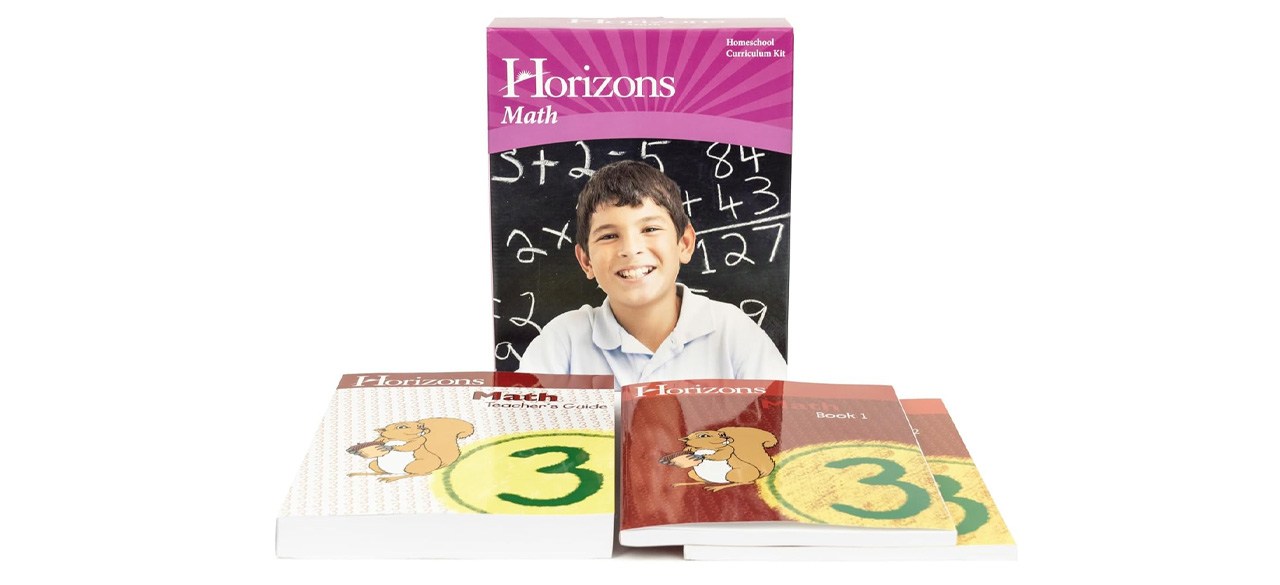
Top-rated math learning tools available for effective homeschooling.
Which Math Learning Materials Are Best for Homeschooling?
Navigating the complexities of teaching mathematics, particularly in a homeschooling environment, presents unique challenges. A robust collection of math learning materials can significantly enhance a child’s educational journey, ensuring they not only absorb necessary concepts but also remain engaged and motivated.
Today’s market offers a diverse range of math learning resources, including traditional workbooks and innovative digital tools, designed to cater to various learning styles. These materials can serve as integral components of an existing math curriculum or provide supplemental practice to reinforce concept mastery.
When selecting math learning materials, parents should consider several factors to determine what best suits their child’s needs. One critical consideration is the alignment with standards—specifically the distinction between Common Core and traditional math methods. Established in 2010, Common Core aims to standardize the instruction of mathematical concepts, emphasizing real-world applications and problem-solving skills over rote memorization. In contrast, traditional math typically involves isolated skill instruction, focusing on building towards more complex problems through pattern recognition and reasoning.
Another important factor is the approach to learning: mastery versus spiral. The mastery approach allows students to focus intensively on one concept before progressing, fostering a solid foundation. Conversely, the spiral approach revisits core concepts repeatedly, adding layers of complexity over time, which some believe enhances student engagement but may be overwhelming for others.
Math learning materials also vary between digital and physical formats. Digital resources, such as interactive games and video tutorials, cater well to self-paced learning, particularly for practice purposes. In contrast, physical workbooks provide engaging, tactile experiences that can be effective during guided instruction.
Parents may also encounter terms like “teacher’s guides” and “answer keys” when comparing materials. Teacher’s guides offer instructional frameworks and lesson planning support, while answer keys provide solutions to exercises, alleviating the burden of manual checking.
The investment in math learning materials can vary widely. Basic resources might range from to , while more comprehensive materials, particularly those designed for homeschooling, can cost between and 0.
To enhance their homeschooling setup, many parents also consider investing in additional visual aids, such as whiteboards and educational manipulatives. These tools not only facilitate instruction but also provide engaging methods for students to practice math concepts outside traditional resources.
In summary, selecting the appropriate math learning materials requires careful consideration of educational standards, teaching approaches, resource formats, and budget. With the right combination, parents can create an enriching learning environment that supports their child’s mathematical development.
For those looking for specific recommendations, the Horizons Math Third Grade Complete Set stands out as a comprehensive choice, offering an engaging curriculum through a spiral learning method. Other noteworthy options include the Math Mammoth Grade 2-A Workbook, which emphasizes mastery, and the Singapore Math workbook focused on problem-solving strategies. By equipping their children with effective materials, parents can foster a deeper understanding and appreciation of mathematics.
Ultimately, the right resources can transform the learning experience, making math both enjoyable and accessible to students at home.
Prices reflected are current at the time of publication and may vary.
Source: Media News Source