Top Sewing Machines Reviewed for Quality and Performance
Choosing the Best Sewing Machine: A Comprehensive Guide
In an era where customization and personal expression through clothing are increasingly valued, owning a quality sewing machine can be a significant asset for both beginners and seasoned seamstresses alike. Whether you aim to make simple alterations, such as hemming pants or adjusting a skirt’s waist, or you aspire to create elaborate garments and quilts, the right sewing machine can simplify these tasks, turning intricate projects into feasible endeavors.
When exploring sewing machines, it is vital to understand that options are tailored to varying skill levels and project types. As technology has evolved, machines have become more versatile and user-friendly, accommodating everything from basic sewing tasks to complex quilting projects. For instance, some modern machines come equipped with Wi-Fi capabilities, allowing users to download patterns directly from their computers, thus enhancing the creative possibilities.
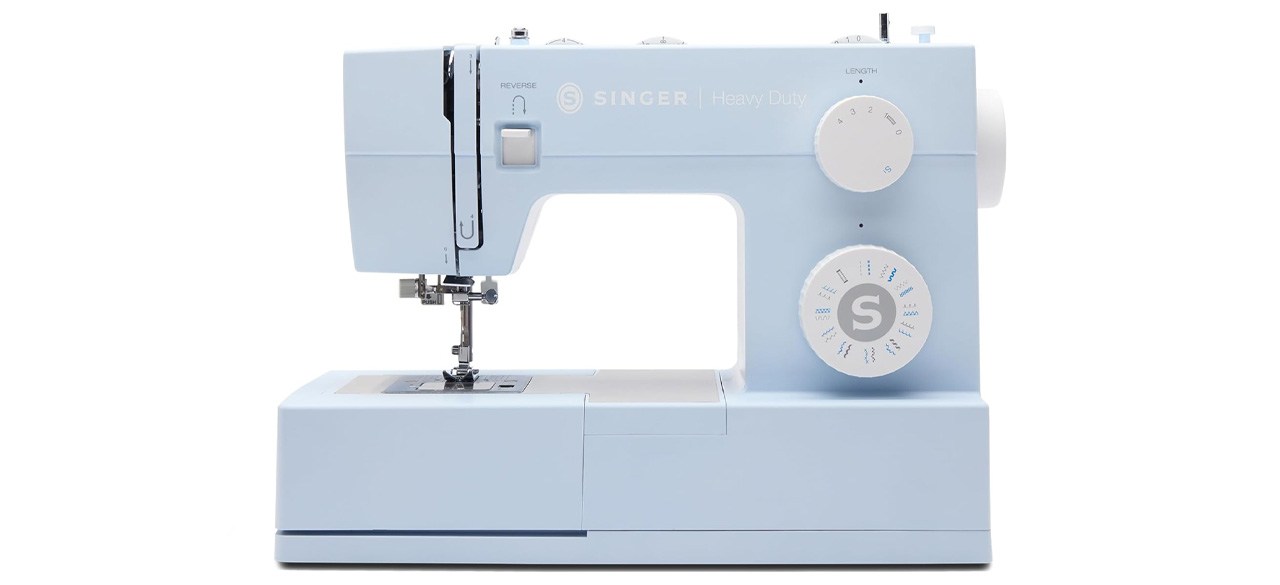
Prominent brands, such as Singer, Brother, and Janome, offer a range of machines suited for different needs and budgets. For those seeking a reliable and robust option, the Singer 4423 Heavy-Duty Sewing Machine stands out as a popular choice. It is noted for its speed, capable of sewing 1,100 stitches per minute, and it accommodates heavier fabrics like denim and wool effortlessly.
Before making a purchase, potential buyers should consider several factors. Understanding the type of sewing machine that best fits your requirements is essential. Mechanical machines are often the most budget-friendly, using manual controls suitable for fundamental tasks. In contrast, electronic machines provide a greater variety of stitch options and features for more complex projects, while computerized machines connect to computers for advanced pattern selection.
Warranties are another crucial aspect of the buying process. A solid warranty can provide peace of mind, especially if repairs are necessary. Many manufacturers offer extended warranties, allowing users to confidently invest in their craft.
Additionally, workspace, or throat size, varies by model and can affect project feasibility. Models offering larger throat sizes are preferable for larger projects, such as quilts, as they provide more room to maneuver fabric.
Moreover, when choosing a machine, consider the variety of stitch options. Basic sewing tasks may require only a straight and zigzag stitch, but many machines provide an array, including overlock and decorative stitches. Features like an automatic needle threader, adjustable needle position, and speed control can greatly enhance the sewing experience.
Price ranges for sewing machines vary significantly, typically falling between to 0, depending on functionality and brand. High-quality mechanical options generally range from to 0, while electronic and computerized machines may cost between 0 and 0, with advanced models exceeding that average.
For those new to sewing, many resources, including online tutorials and user manuals, are available to aid in learning the operational aspects of machines. Additionally, the noise level of sewing machines varies, with some operating at conversational decibel levels, while others may be significantly louder.
In summary, choosing the right sewing machine involves considering your skill level, the types of projects you plan to undertake, and the machine features that will support your creative ambitions. With the right machine, sewing can transform from a mere task into an enjoyable hobby or even a profession.